



Abstract
Ce texte vise à mettre en lumière l’existence, dans la théorie modale médiévale latine, de deux catégories hiérarchiques distinctes : les « qualités systémiques », propres aux degrés du système musical et dérivant exclusivement de la position de ceux-ci dans l’échelle diatonique ; et les « fonctions modales » que ces mêmes degrés exercent dans un mode particulier. Les premières ont été décrites, notam-ment par Guido d’Arezzo et Hermannus Contractus, sous le nom de modi vocum (« modes des notes »), tandis que les secondes se manifestent en particulier dans la doctrine de la finale modale, qui apparaît notamment chez Hucbald de Saint-Amand et ses contemporains. Le lien entre les modes des notes et les finales est complexe.
This paper discusses the existence, in Latin medieval theory, of two distinct hierar-chical categories, that of “systemic qualities”, belonging to the degrees of the musical system and deriving exclusively from their position in the diatonic scale and that of the “modal functions” that the same degrees may exert in a particular mode. The first were described, among others by Guido of Arezzo and by Herman-nus Contractus, under the name of modi vocum (“Mode of the Degrees”), while the second are manifest mainly in the doctrine of the modal final, as discussed among others by Hucbald of Saint-Amand and his contemporaries. The relation between the modes of the degrees and the finals is complex.
Notice
Revue des Traditions Musicales was originally published in print by Antonine University Press. It is now being republished by Luminous Insights Publishing House as part of the journal’s transfer.
This article is currently available in PDF format only. An HTML version will be available soon.
About contributors

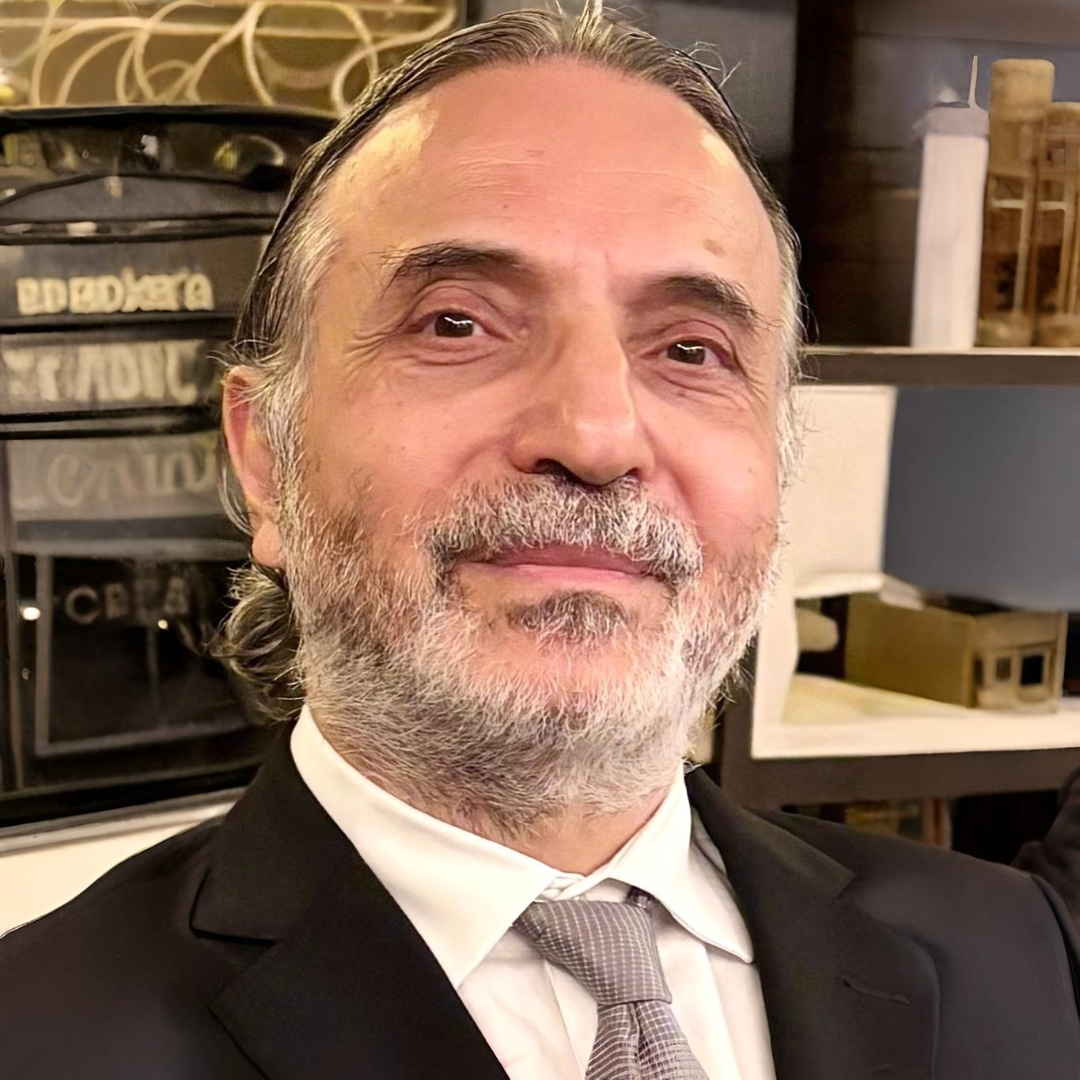
Nicolas Meeùs
Université Paris Sorbonne, Paris, France
France
Nicolas Meeùs est docteur en musicologie de l'Université catholique de Louvain (Belgique) et titulaire d'une Habilitation à diriger les recherches de l'Université Paris Sorbonne - Paris IV. Il a été chercheur au Musée Instrumental de Bruxelles (1970-1995), professeur aux Conservatoires royaux de Liège (1971-1978) et de Bruxelles (1978-1989), à la Chapelle musicale Reine Elisabeth de Belgique (1980-1989) et à l'Université catholique de Louvain (1981-1995). Depuis 1995, il est professeur à l'Université Paris Sorbonne - Paris IV, où il a dirigé la Faculté de musique de 1999 à 2004.