



Abstract
Cet article propose une étude sémiotique de l'inférence des procès significatifs d'ordre théologique liturgique, liés aux notions opposées de rédemption résurrectionniste et de dolorisme crucial, dans l'élaboration grammaticale modale des chants maronites du Vendredi saint. La sémiotique modale opère une nette distinction entre le procès significatif intrasystémique, lié aux structures profondes que sont les lignes des indicateurs nucléaires des phrases mélodiques, d'une part, et, d'autre part, les procès significatifs extrasystémiques, intéressant les structures de surface de ce phrasé et ses réarrangements d'ordres rythmique et scalaire, ouverts à des interférences culturelles stylistiques. L'hypothèse que pose cet article est que l'ethos rédemptioniste et résurrectionniste de la théologie liturgique traditionnelle patristique de l'Église maronite, représentée par les hymnes anciennes de langue syriaque, est compatible avec le procès sémiotique intrasystémique, tandis que les stīġmatas hiéroclèxes du dolorisme populaire, représenté par les chants arabophones mis au point à la fin du XIXe siècle, intéressent la sémiotique extrasystémique et consistent en la bémolisation fluctuante de deux degrés d'une mélodie-type traditionnelle, induisant un éthos afflictif.
This article proposes a semiotic study of significant theological liturgical processes inference, associated with opposing concepts of resurrectionist redemption and crucial dolorism, in the grammatical modal elaboration of Maronite Good Friday chants. The modal semiotics makes a clear distinction between the intrasystemic significant processes, related to deep structures, such as melodic phrases nuclear indicators lines, on the one hand, and, on the other hand, the extrasystemic significant processes, focusing on surface structures of this phrasing and its rhythmic and scalar rearrangements, open to cultural stylistic interferences. The hypothesis posed by this article is that the resurrectionist redemptionist ethos of the traditional patristic liturgical theology of the Maronite Church, represented by the ancient Syriac hymns, is compatible with the semiotic intrasystemic process, while heterodox stigma of popular dolorism, represented by arabophone chants developed in the late nineteenth century, focus on extrasystemic semiotics and consist of fluctuating descending alteration of two notes in a traditional melody, which induces an afflictive ethos.
Notice
Revue des Traditions Musicales was originally published in print by Antonine University Press. It is now being republished by Luminous Insights Publishing House as part of the journal’s transfer.
This article is currently available in PDF format only. An HTML version will be available soon.


About contributors

Toufic Maatouk
École de Musique des Pères Antonins, Institut Pontifical de Musique Sacrée, Rome, Italy.
Italy
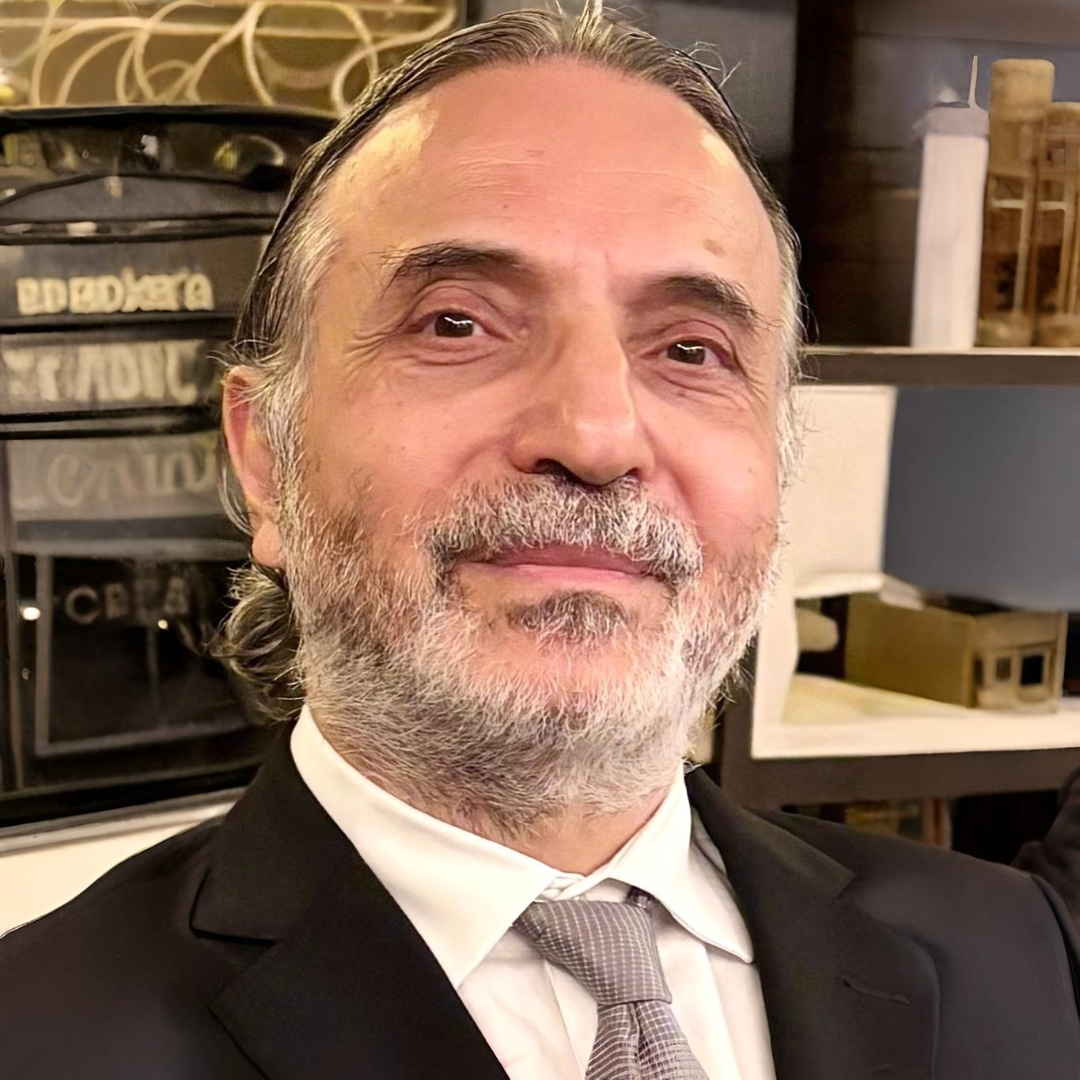
Moine et prêtre antonin maronite, directeur de l’Ecole de Musique des Pères Antonins, doctorant à l’Institut Pontifical de Musique Sacrée à Rome.
Nidaa Abou Mrad
Institut Supérieur de Musique, Centre de Langues, Université Antonine, Baabda, Lebanon.
Lebanon
Professeur de musicologie, directeur de L’Institut Supérieur de Musique et du Centre de Langues de l’Université Antonine (Liban).