



Abstract
This article studies the musical factors in the process of cry-evoking in ubūdiyya, which is an Iraqi musical form based on a lamentation vernacular poem. Ubūdiyya is performed in both religious and secular contexts: it is enlisted under a ritualistic phenomenon in the confines of Shia eulogy rituals in Iraq, taking into consideration that crying is one of the major goals to commemorate the tragedy of Al-Imam Al-Ḥusayn, as well as it is present in the geographic environment of this religious ritual, but for irreligious meanings. The hypothesis is that grieving and cry-evoking musical factors are: (1) the melodic wandering which is related to the overuse of suspensive clausulae; (2) the metric and rhythmic wandering which is related to the continuous swinging between binary and tertiary beats; (3) the crying figuralism of the melismas and other vocal and respiratory effects. This hypothesis is proved by a semiotic analysis of a secular ubūdiyya, “Ḥud el-'ayš”, performed by Muhammad al-Qubbantšī, and of a religious example of ubūdiyya, “Warāyā”, performed by Haydar al-'Aṭṭār.
Cet article étudie les facteurs musicaux du processus de déclenchement des larmes dans l'ubūdiyya, forme musicale de lamentation en poésie vernaculaire iraquienne. L'ubūdiyya est traditionnellement présente en Iraq, à la fois dans des contextes religieux et séculaires : elle s'intègre en effet aux rituels chiites iraquiens de commémoration du martyr de l'Imam Ḥusayn, où l'incitation lacrymale est cruciale, de même qu'elle est chantée dans des cadres profanes et sur des textes profanes. L'hypothèse centrale identifie les facteurs musicaux de l'affliction et des pleurs à : (1) l'errance mélodique qui découle de l'usage intensif de clausules suspensives ; (2) l'errance métrique et rythmique inhérente à l'oscillation continue entre pulsations
Notice
Revue des Traditions Musicales was originally published in print by Antonine University Press. It is now being republished by Luminous Insights Publishing House as part of the journal’s transfer.
This article is currently available in PDF format only. An HTML version will be available soon.
About contributors

Ahmad Hamadani
Université Antonine, Baabda, Lebanon
Lebanon
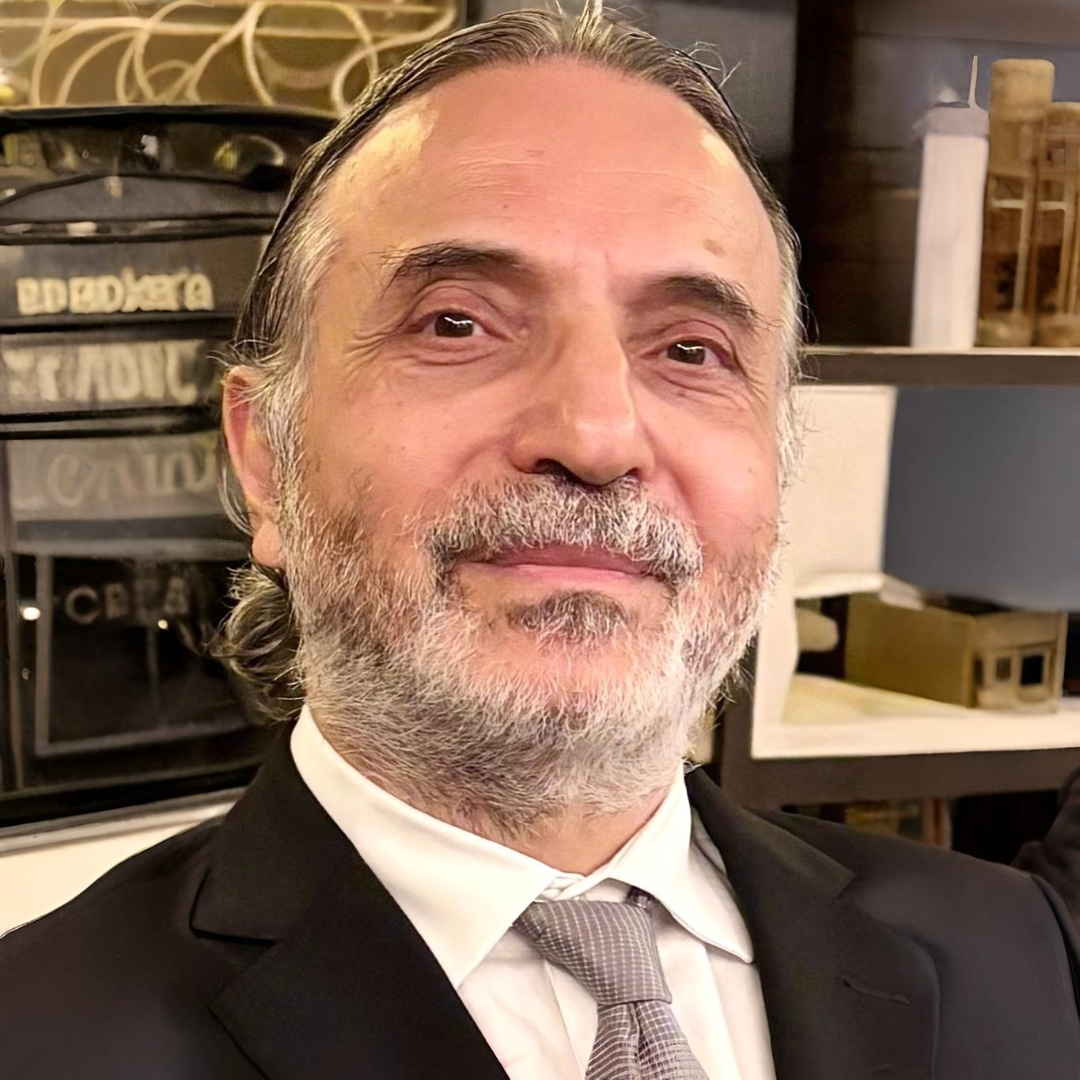
Islamic cleric, studied the religious sciences at Al-Imām Al-Jawwād Institute for the Islamic Sciences, Beirut. MA in Music Musicology at the Université Antonine, Lebanon.This article has been written under the supervision of Nidaa Abou Mrad and benefited of the advising of Scheherazade Q. Hassan.