



Abstract
Alexis Chottin (1891-1975) franchit de nombreuses frontières-- un Français, né à Alger, qui enseignait l’arabe aux enfants marocains ; compositeur, critique musical et correspondant à Rabat du et et et ethnographe autodidacte, s’intéressant à la musique arabo-andalouse urbaine et aux genres ruraux, pour lesquels il développa une notation chorégraphique novatrice. Chottin a aussi combiné l’enseignement et la recherche avec la pratique, créant et dirigeant le Conservatoire de musique marocaine et ses ensembles, chargé des concerts de musique marocaine à Radio-Maroc et faisant une large diffusion de ses études. La vie et l’héritage de Chottin requièrent une nouvelle approche inhérente à la biographie musicale, à l’ethnomusicologie historique et à la musique dans l’histoire coloniale. Certains musiciens européens des empires modernes ont contribué aux projets coloniaux en même temps qu’à la production et la diffusion de musiques autochtones. Comme Jules Rouanet en Algérie et Antonin Laffage en Tunisie, Chottin doit être étudié non pas de manière isolée, mais à travers ses collaborations et les cadres de ses actions. En effet, Chottin nous donne des raisons d’étudier les goûts, les pratiques et les interactions des Européens et des autochtones, généralement analysés séparément. Son érudition et ses pratiques musicales venaient de telles relations. Pour comprendre le travail de Chottin sur la musique marocaine, cet article examine d’abord le discours et les programmes du protectorat : protection culturelle, articulation des distinctions entre des traditions urbaines et rurales et renouvellement par le biais de collaborations locales. Il aborde ensuite le rôle de Chottin dans trois formes d’action publique qui venaient de ces programmes : festivals de musique, éducation musicale et radio. Chacune d’elles, soutenue par Prosper Ricard et le Service des Arts Indigènes, entraînait un nouveau professionnalisme et une nouvelle visibilité pour les musiciens marocains. À travers ses relations interculturelles, l’article décrit le rôle de Chottin en tant qu’intermédiaire culturel. Ses activités soutiennent l’affirmation des historiens coloniaux Fred Cooper et Ann Stoler selon laquelle le colonisateur et le colonisé étaient « mutuellement formés dans un engagement intime ». Pour comprendre cela, il faut un nouveau paradigme relationnel.
Alexis Chottin (1891-1975) crossed many frontiers – a Frenchman, born in Algiers, hired to teach Arabic to Moroccan children; a composer, music critic, and Rabat correspondent for usually; and self-taught ethnographer, interested in both the Andalousian roots of Moroccan urban music and rural genres, for which he developed an innovative choreographic notation. Chottin also combined teaching and research with practice, creating and directing the Conservatory of Moroccan Music and its ensembles, in charge of Moroccan musicconcerts on Radio-Maroc, and promoting this music broadly. Chottin’s life and legacy call for a new approach to musical biography, historical ethnomusicology, and music in colonial history as more than the story of appropriation. Some European musicians in the modern empires contributed to colonial agendas at the same time as the production and dissemination of indigenous music. Like his predecessors, Jules Rouanet in Algeria and Antonin Laffage in Tunisia, Chottin needs to be studied not in isolation, but through his collaborations and the frameworks for his actions. Indeed, Chottin gives us reason to study the tastes, practices, and interactions of Europeans usually Moroccans in relation, rather than as usually analyzed independently. His scholarship and musical practices grew out of such relationships. To understand Chottin’s work on Moroccan music, this article examines first the protectorate’s discourse and its agendas: cultural protection, articulation of distinctions between urban vs. rural traditions, and renewal through local collaborations. It then turns to Chottin’s role in three forms of public action that emerged from these agendas—public music festivals, music education, and radio. Each of these, supported by Prosper Ricard and the Service of Indigenous Arts, led to new professionalism and visibility for Moroccan musicians. Finally, through his intercultural relationships and promotion of both Moroccan and European music, the article considers Chottin’s role as a cultural intermediary. His various activities support the contention of colonial historians Fred Cooper and Ann Stoler: the colonizer and colonized were “mutually shaped in intimate engagement.” To understand this requires a new relational paradigm in music scholarship.
Publisher’s Note
Revue des Traditions Musicales was originally published in print by Antonine University Press.
Geuthner contributed to certain technical aspects of production and international distribution, without editorial responsibility.
The journal is now being republished by Luminous Insights Publishing House following its transfer.
This article is currently available in PDF format only. An HTML version will be available soon.
Note de l’éditeur
Revue des Traditions Musicales a été initialement publiée en version imprimée par Les Presses de l’Université Antonine.
Geuthner a contribué à certains aspects techniques de la production et de la diffusion internationale, sans responsabilité éditoriale.
La revue est désormais republiée par Luminous Insights Publishing House à la suite de son transfert.
Cet article est actuellement disponible uniquement au format PDF. Une version HTML sera disponible prochainement.
About contributors

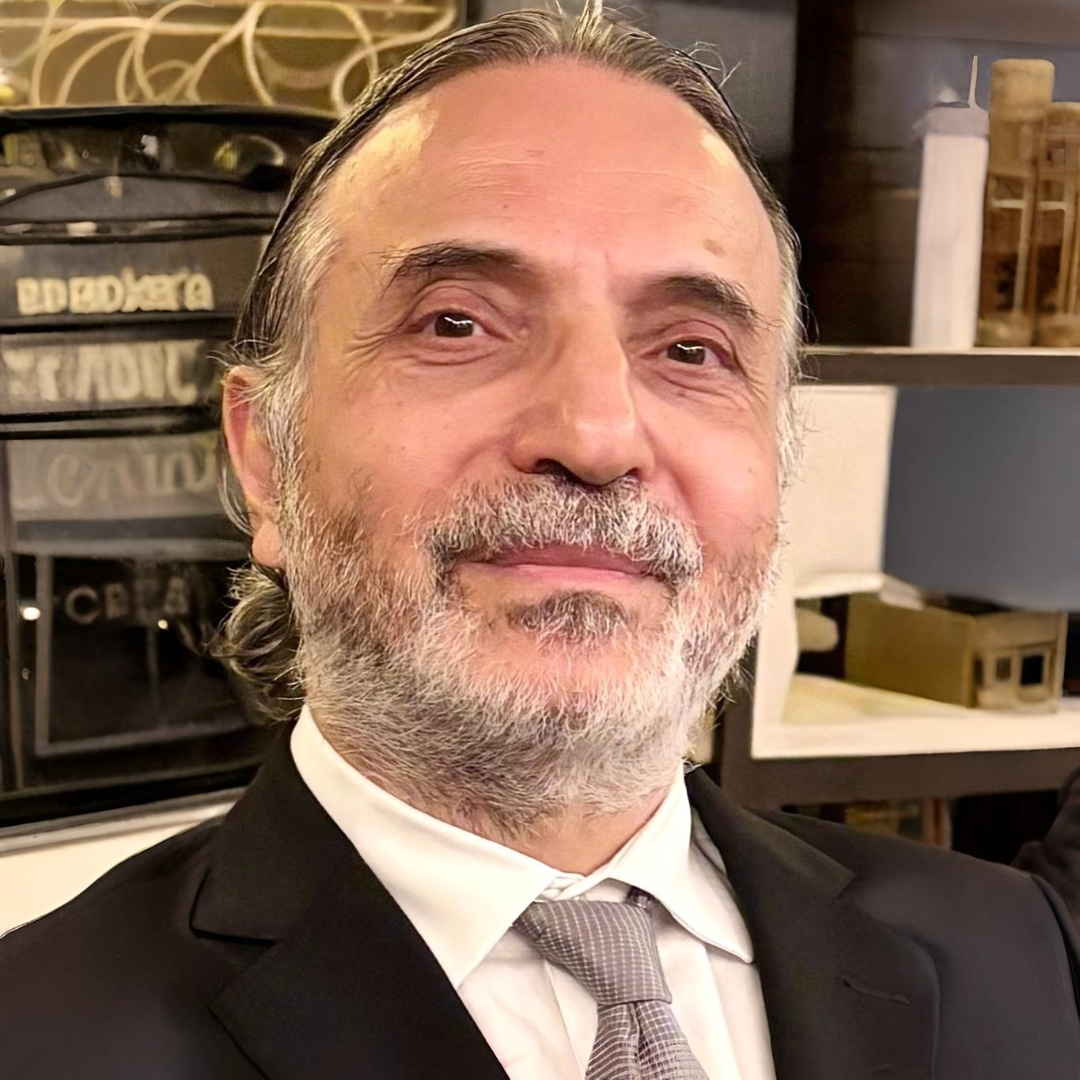
Jann Pasler
Music Department, University of California San Diego, La Jolla, United States
United States
Distinguished Professor, Music Department Affiliated faculty, Critical Gender Studies, University of Califor-nia, San Diego, USA. Co-Editor AMS Studies in Music (Oxford University Press).