





Abstract
We propose a cross-cultural study to empirically test the role that the country of the consumer plays in determining their perceptions, attitudes, and intentions towards ethical fashion. We base on the theory of planned behaviour, construal-level theory and literature on collectivism/individualism to hypothesize that significant differences may exist in the way that consumer intention to purchase ethical fashion is crafted based on whether the person lives in a fashion producing or consuming country. We use data collected from a survey of 245 and 450 consumers in China and Spain, respectively, and test 10 research hypotheses by applying multigroup structural equation modelling. Consumers in China perceive greater pressure to purchase ethical fashion and behavioural control than consumers in Spain. Nonetheless, the theory of planned behaviour model is only accepted fully for the Spanish sample. In China, perceived behavioural control does not have a major influence on the intention to purchase. Subjective norm is the most powerful determinant of intention to purchase, the strength of its effects be ING significantly higher in China. Managerial implications are derived that can assist fashion brands and retailers in better crafting their commercial and communicational strategies based on the specific intentions of consumers in diverse cultural contexts.
Introduction
The fashion industry, especially its fast-fashion model, is considered one of the most inhumane and environmentally unfriendly businesses of the century (Cleff et al., 2018). Against this reality, ethical fashion is an umbrella term to describe ethical garment design, production and retail aimed at minimizing harm to both people and the planet, while supporting workers throughout the supply chain and contributing to a better future for all (Joergens, 2006). The ethical fashion movement also aims to encourage conscious consumption (Lira & Costa, 2022) by making consumers aware of the impacts of their purchases (Balderjahn et al., 2018). However, it is estimated that, as of 2022, ethical fashion accounted for a modest share of 4.3% in the international market (Infomineo, 2023), which questions consumer awareness and interest in conscious consumption (Cowan & Kinley, 2014). In fashion decision-making, styling, pricing and convenience are still important aspects for consumers that may override their desire for ethical choices (Crane, 2016).
Nevertheless, so far empirical research on ethical behavior in the fashion industry provides limited knowledge on the consumer dynamics at the international level (Pérez et al., 2021). Much of previous research has been developed in geographical contexts representing majority-consuming advanced economies in Western regions classified as Global North according to the World division established by the Brandt line (Khan et al., 2022). These countries, mostly represented by European economies, the United States, Canada, Australia and New Zealand, have decentralized their fashion production, transferring most of it to Asian countries where production and distribution costs are lower (Bly et al., 2015). On the contrary, there is a scarcity of studies that focus on consumer behavior in majority-producing, emerging economies in Eastern regions such as South Asia and South-East Asia (e.g., China, Bangladesh or Cambodia), classified as Global South (Khan et al., 2022). Without denying that these countries cannot be simply classified as producing economies, because of the increasing consumer access to markets (Mehta & Dixit, 2016), we argue that differences in psychological distance (Yao et al., 2021) and collectivism/individualism values (Kan et al., 2014) may lead to consumer attitudes, social norms and behavioral control towards purchasing ethical fashion that differ across countries (Delieva & Eom, 2019). This is a fact that should be more robustly explored in academic literature to improve our knowledge of the ethical fashion movement worldwide (Kang et al., 2013; Pérez et al., 2021).
To fill this gap in previous literature, we base on the theory of planned behaviour (TPB) (Ajzen & Fishbein, 1987; Ajzen, 2020), construal-level theory (CLT) (Liberman & Trope, 1998; Trope et al., 2007; Trope & Liberman, 2010) and literature on collectivism/individualism (Kan et al., 2014) to build our hypotheses. Then, we use data collected in China, as a majority-producing Eastern country (James & Montgomery, 2016b; Liu et al., 2021), and Spain, as a majority-consuming Western country (Koszewska, 2013; James & Montgomery, 2016b; Pérez et al., 2021), and compare it using multigroup structural equation modeling (SEM). China is the world's leading producer of fashion and textiles, accounting for a large share of global manufacturing (Aydin et al., 2022). Spain is the country of origin of well-known fashion brands, including the Top-3 world's leading fashion retailer, Inditex (Aydin et al., 2022). China is a collectivist society, while in Spain individualism dominates (Kan et al., 2014). China is only emerging in the adoption of sustainable practices (Zhang et al., 2023). Spain has a long tradition of public initiatives set in place to raise awareness of ethical consumption (Chamorro et al., 2009). Consequently, the two countries are interesting geographical contexts for the purposes of this research due to (a) fashion's pivotal role, (b) cultural differences and (c) diverse consolidation levels of ethical fashion.
It is also important to notice that the paper is part of a larger research project from which partial results have been already published (Liu et al., 2021; Pérez et al., 2021). Nonetheless, by statistically comparing the TPB model in China and Spain, this study provides a novel cross-cultural perspective that offers a more comprehensive understanding of how cultural values and socio-economic environments influence ethical consumption. Such insights are crucial for advancing sustainable marketing theory and practice, as they help to identify cultural-specific strategies that can be more effective in promoting ethical fashion across different markets.
The structure of the paper is organized as follows. First, the literature review section includes the theoretical background and hypotheses development of the study. Second, the research method is presented. Third, the results of the statistical analyses are reported and discussed. In the last section, conclusions, theoretical and managerial implications, limitations, and future lines of research are summarized.
Hypotheses Development
Theory of Planned Behavior
The TPB (Ajzen & Fishbein, 1987; Ajzen, 2020) draws on the knowledge-attitude-behavior (KAB) model to predict behavioral intentions based on attitude, subjective norms and perceived behavioral control. Attitude includes the individual's beliefs and assessment about the potential outcomes of a behavior (Kang et al., 2013). If the individual believes that purchasing ethical fashion leads to positive outcomes (e.g., safer working conditions, environmental protection), he/she will be more willing to adopt it (Lira & Costa, 2022). Subjective norms encompass the perceived social pressure from reference groups to perform the behavior (Ajzen, 2020). In the fashion industry, social pressure towards acting ethically is high (Lundblad & Davies, 2015). Therefore, consumers perceiving that other people endorse ethical fashion will be prone to adopting conscious consumption more easily (James & Montgomery, 2016a.; Liu et al., 2021). Finally, perceived behavioral control (PBC) is a measure of self-efficacy beliefs (Lenne & Vandenbosch, 2017). In ethical fashion, the easier it is for consumers to find and purchase these products, the greater the intention to purchase ethically (Lira & Costa, 2022). According to literature on the green and sustainable attitude-intention-behavior gap, PBC allows the consumer to overcome barriers related to availability, affordability, ease of access and knowledge about products that enhance their intentions (Bocti et al., 2021). Based on these ideas, we expect to corroborate that:
H1: Attitude has a direct positive effect on the intention to purchase ethical fashion.
H2: Subjective norm has a direct positive effect on the intention to purchase ethical fashion.
H3: Perceived behavioral control has a direct positive effect on the intention to purchase ethical fashion.
As an extension to the original TPB, recent studies have shown that the predictive power of the model can be augmented if additional relationships are considered (Liu et al., 2021; Kumar et al., 2022). For example, subjective norms affect attitude directly because people usually appreciate others' opinions and base their own beliefs and expectations on those of their reference groups (Suki & Suki, 2019; Lira & Costa, 2022). Additionally, (Kim & Karpova, 2009) argue that, as people share their experiences and knowledge with their reference groups, the opinion of significant others may influence the individual's perceptions about the amount of control he/she has over a behavior. Based on these ideas, we propose two additional hypotheses:
H4: Subjective norm has a direct positive effect on attitude.
H5: Subjective norm has a direct positive effect on perceived behavioral control.
The Role of the Country in Shaping Consumer Intention to Purchase Ethical Fashion
Even though Western literature points to the globalization of social and environmental awareness as a distinct phenomenon of consumption in the last decades (Koszewska, 2013), numerous studies suggest that culture is still important in determining ethical decisions (Liu et al., 2021).
In this regard, construal level theory (CLT) (Liberman & Trope, 1998; Trope et al., 2007; Trope & Liberman, 2010) bases on psychological distance to explain differences in behavior. Psychological distance refers to an individual's perception of the separation between him/her and a given event (McDonald et al., 2015), which may be social (related to oneself vs. other people), hypothetical (certain vs. uncertain), temporal (immediate vs. distant future) or spatial (close vs. remote location) (Trope et al., 2007; Trope & Liberman, 2010).
For instance, low-level construal individuals feel close to the event and psychologically connected to it, which leads to thinking in concrete, detailed, or specific terms, focusing on the "how" of actions and emphasizing the direct features or details of an event (Lee et al., 2020). In Eastern producing economies, it is expected that consumers perceive a low psychological distance to ethical fashion because it affects them directly (spatial distance) and is closely related to them (social distance) (Pérez et al., 2021). It also presents certain consequences (hypothetical distance) that are experienced almost immediately (temporal distance) (Kang et al., 2013; James & Montgomery, 2016a.). Consequently, it is expected that their positive attitudes towards ethical fashion affects their purchasing intentions significantly (Lee & Lee, 2015).
On the other hand, high-level construal individuals perceive a large psychological distance between themselves and the event, which takes them to think in more abstract, generalized, or decontextualized terms, focusing on the "why" of actions and emphasizing the broader meaning or purpose (Yan et al., 2016). In most Western developed majority-consuming countries (Khan et al., 2022) information to consumers concerning the clothing supply chain is still limited (James & Montgomery, 2016a.), and even sustainable fashion consumption pioneers recognize little knowledge of the origins of their clothing garments (Bly et al., 2015). Thus, consumers feel somehow detached from ethical fashion (James & Montgomery, 2016a.), as they may understand that it does not relate to them directly (social distance), has uncertain consequences (hypothetical distance) and, most of all, refers to activities that affect people in remote locations (spatial distance), with benefits that are only obtained in a distant future (temporal distance). (Delieva & Eom, 2019) even proved that the relationship between the low-level construal and attitude towards ethical advertising was significant and positive, whereas the relationship between the high-level construal and attitude was significant but negative, also affecting ethical cooperation and behavior.
According to these arguments, we expect that:
H6: The effect of attitude on intention to purchase ethical fashion is stronger among consumers in China.
Additionally, based on literature on collectivism/individualism (Kan et al., 2014), we know that Eastern countries are traditionally defined as collectivist cultures, where consumers are significantly influenced by the social norm that they use to develop their feeling of belonging to a social group (Lee & Lee, 2015; Liu et al., 2021). And previous literature suggests that people make more ethical purchase decisions when they are influenced by social norms (Szmigin et al., 2009). In collectivist countries, the ideal self-concept that expresses how the individual would like to be (Ross, 1971) is emphasized and strongly determined by the expectations, attitudes, and behaviors of others (Cross et al., 2010). Consumers frequently evaluate the congruity of behavior with their ideal self-concept, in such a way that the more congruent the behavior is with one's ideal self-concept, the more favorable the individual's attitude towards it and the likelihood of implementing the behavior (Lee & Lee, 2015).
Consequently, we anticipate that subjective norm is a strong predictor of consumer beliefs, attitudes, and intentions to purchase ethical fashion for consumers in a low-level construal country, such as China, where ethical fashion is highly demanded due to the externalities of fashion manufacturing (Benedetto, 2016). In this regard, China has long been at the center of the debate on unethical fashion production, as sweatshops and pollution have traditionally accompanied the country's rapid economic expansion (Lee & Lee, 2015). Therefore, Chinese companies and consumers are under increasing pressure to behave ethically and turn towards more sustainable practices related to ethical fashion (Lee & Lee, 2015). We expect to prove that:
H7: The effect of subjective norms on the intention to purchase ethical fashion is stronger among consumers in China.
On the contrary, Western countries are dominated by individualistic consumers who are especially concerned with expressing uniqueness and independence, which they achieve by adopting individual consumption practices (Aaker & Schmitt, 2001). They are also ambitious, putting greater emphasis on their internal abilities when making decisions (Singelis, 1994). Thus, they will make stronger efforts to work on their PBC to satisfy the need to promote their internal attributes as being unique (Delieva & Eom, 2019). Along this line, (Benedetto, 2016) defends that, in Western majority-consuming countries, where the respect for human rights is well-established among public and private actors, corporate social responsibility (CSR) is likely to be more effective and consumers may assume that the deal of control they possess over ethical behavior is sufficiently large to purchase ethical fashion.
Conversely, in emerging majority-producing countries where human rights are not fully enforced, CSR is not sufficiently effective, and consumers may have less trust in companies when assessing whether the brands and products they offer meet ethical standards (Cleff et al., 2018). In most producing countries, there are no binding legal requirements for transparency, allowing companies to choose what information they disclose. As a result, they can highlight their positive contributions while hiding negative aspects, giving the impression of being more socially and environmentally responsible than they truly are. This practice, known as greenwashing, is widespread and undermines consumer trust in sustainable products (Cleff et al., 2018). Consequently, we define the following hypothesis:
H8: The effect of perceived behavioral control on the intention to purchase ethical fashion is stronger among consumers in Spain.
Following the rationale behind the hypothesis H7, subjective norm is also expected to be a stronger predictor of consumer attitudes towards ethical fashion in China, where ethical fashion is highly demanded due to the negative social and environmental externalities of fashion manufacturing (Benedetto, 2016). It is also expected that subjective norms determine people beliefs about the self more significantly in this collectivist country (Cross et al., 2010). This being the case, the more support significant others give to ethical fashion, the greater the individual's perception of control over the purchase behavior, as PBC includes past experiences but also knowledge shared with reference groups (Kim & Karpova, 2009). Consumers in collectivist societies are expected to make stronger efforts to become solvent in dealing with behaviors that are largely supported by the community, such as taking ethical fashion purchase decisions. We expect to prove that:
H9: The effect of subjective norms on attitude is stronger among consumers in China.
H10: The effect of subjective norms on perceived behavioral control is stronger among consumers in China.
The research conceptual model is illustrated in Figure 1.

Methodology
Research Design
Data were collected with a questionnaire answered by potential consumers of fashion garments. In Spain, consumers were interviewed in shopping areas of a medium-size city during the spring of 2019. In China, an online survey was chosen as the method to reach consumers more easily. The link to the survey was available to respondents during the summer of 2019. To reduce the common method variance (CMV) that may be introduced in the study with this method (Liu et al., 2021), at the beginning of the questionnaire respondents were granted confidentiality and anonymity.
We also aimed to stimulate the respondents' awareness about ethical fashion before answering the questionnaire by providing several materials about the ethical fashion movement and some real examples of how it is applied by multinational retailers (Tseng et al., 2018). Supplementary material provided to participants is shown in the appendix.
Sample and Data
To gain representativeness, the selection of respondents in both countries was based on gender and age, according to the profile of national populations. After cleaning the dataset, a total of 245 and 450 valid responses were considered usable in China and Spain, respectively. Table 1 summarizes the demographic characteristics of the two samples, which were similar in gender, age, education level and type of relationship to the fashion industry.
| China (n=245) | Spain (n=450) | |
| Gender | ||
| Female | 69.4% | 69.3% |
| Male | 30.6% | 30.7% |
| Age | ||
| 18 -- 24 | 24.9% | 20.4% |
| 25 -- 34 | 23.3% | 21.3% |
| 35 -- 44 | 21.6% | 21.3% |
| 45 -- 54 | 17.6% | 19.6% |
| >54 | 12.7% | 17.3% |
| Education level | ||
| Lower than university degree | 38.8% | 53.3% |
| University degree | 61.2% | 46.7% |
| Relationship with the fashion industry | ||
| Consumer | 80.0% | 90.7% |
| Employee (manufacturer) | 7.3% | .9% |
| Employee (retailer) | 5.3% | 5.1% |
| Other | 7.3% | 3.3% |
Measurement Scales
We measured each variable with 7-point multi-item (Likert and semantic differential) scales taken from (Kim & Karpova, 2009), although some items had to be slightly adapted to fit the context of our study (Table 2). 7-point scales were consistently used to rate all the items in the study to reduce cognitive load, simplify the response process and maintain participants' engagement while completing the questionnaire (Rokeman, 2024). 7-point scales also offer an adequate balance between sensitivity and ease of use when compared to scales with a lower or higher number of items respectively (Cicchetti et al., 1985; Russo et al., 2021). Measuring all the variables on a common scale format is a common practice in academic research that ensures consistency and comparability across constructs in the analysis (Yao & Xu, 2021).
The attitude was measured on a five-item semantic differential scale. Subjective norm and PBC were measured with three-item Likert scales each. The intention to purchase was measured with a two-item Likert scale and not the original 3 items proposed by Kim and Karpova (2009). The item "I will make an effort to buy _ in the future" was discarded because an initial assessment showed that it negatively affected the convergent validity of the measurement scale in the Chinese sample. The same two-item scale was already used in (Liu et al., 2021). In this previous study, the scales that measure attitude, subjective norm and PBC were also tested and their reliability, convergent and discriminant validity were corroborated for the data collected in China. As far as the sample in Spain is concerned, only the scales of attitude and intention to purchase were included in (Pérez et al., 2021); the findings demonstrating good reliability, convergent and discriminant validity. We applied the marker variable technique (Podsakoff et al., 2003; Steenkamp & Maydeu-Olivares, 2020) to statistically assess potential common method variance (CMV) in the data. A marker variable (i.e., "shopping releases stress") was included in the model and correlated with the variables and a random intercept factor. The confirmatory factor analysis (CFA) results indicated that the addition of the random intercept factor did not significantly improve model fit in either of the subsamples. Furthermore, a statistically significant and substantively non-negligible correlation of the marker with the random intercept factor was observed while a weak and, in most cases, insignificant correlation existed between the marker and the variables in our conceptual model (Table 3). These findings suggest that CMV is unlikely to bias the findings of this study (Steenkamp & Maydeu-Olivares, 2020).
| Variables | Items |
| Attitude (AT) | I consider that purchasing ethical fashion is... |
| AT1) Negative/Positive; | |
| AT2) Harmful/Beneficial; | |
| AT3) Useless/Useful; | |
| AT4) Worthless/Worthwhile; | |
| AT5) Foolish/Wise | |
| Subjective norm (SN) | SN1) I believe close friends and family would think it is a good idea for me to purchase ethical fashion goods; |
| SN2) I feel important people in my life want me to purchase ethical fashion goods; | |
| SN3) The people who I listen to could influence me to purchase ethical fashion goods | |
| Perceived behavioral control (PBC) | BC1) I have the resources, knowledge and capacity to purchase ethical fashion goods; |
| BC2) Purchasing ethical fashion goods is easy for me; | |
| BC3) I have complete control over purchasing ethical fashion goods | |
| Intention to purchase (IP) | IP1) I intend to purchase ethical fashion goods in the future; |
| IP2) I will try to purchase ethical fashion goods in the future |
| Variables | China | Spain |
| AT | .16 | .15** |
| SN | .08 | .10 |
| PBC | .13 | .15** |
| IP | -.15 | .12 |
| RI* | .24** | .17** |
| * RI = random intercept;** p<.05 |
Research Method
The research hypotheses were tested by applying multigroup Structural Equation Modelling (SEM) with EQS 6.1 statistical software.
First, we tested the factorial structure of the conceptual model in both subsamples (i.e., China and Spain) by means of Confirmatory Factor Analysis (CFA) (Hair et al., 2011).
Second, we proceeded to compare the descriptive and causal findings of both subsamples, also testing for metric, scalar and structural invariance (Putnick & Bornstein, 2016). To test metric invariance, we applied the Lagrange Multiplier (LM) test that compares the $\chi^2$ difference in the loading of each item to a latent variable ($\lambda$) when comparing a restricted model in which these loadings are forced to be equal across subsamples with an unrestricted model in which the restriction of equality among these loadings is eliminated. Similarly, to test scalar invariance, the LM test was also applied to compare the $\chi^2$ differences on the intercepts of the items, applying the same comparison between the restricted and unrestricted model. In both cases, when the LM test shows non-significant $\chi^2$ improvement values (i.e., p>.05) from the restricted to the unrestricted model, metric and scalar invariance are confirmed. This step ensures that the variables in the measurement model are understood in the same way among consumers in China and Spain so we could proceed to compare the mean values of the latent variables and the structural relationships of the TPB model in both countries.
Third, we estimated the conceptual model in each subsample and tested for structural invariance, also applying the LM test. For this purpose, we obtained the solution to the SEM in each subsample independently. Subsequently, we recalculated the proposed SEM to include the restriction that the standardized $\beta$ of the relationships among all the latent variables were equal among consumers in both countries. This time, it was necessary for the $\chi^2$ to present significant differences (i.e., p<.05) to conclude that a specific restriction could be released to improve model fit and allow for differences between subsamples. If this was the case, it confirmed that the country had a significant impact on that specific causal relationship under scrutiny.
Findings
Confirmatory Factor Analysis (CFA)
Table 4 reports the results of the CFA. Because of the large sample sizes, the Satorra-Bentler $\chi^2$ was significant in both countries. In all cases, the Comparative Fit Indexes (NNFI, CFI, and IFI) were above the .90 threshold that demonstrates acceptable model fit. The RMSEA was also below the .08 standard in both countries. The reliability, convergent and discriminant validity of the scales was also confirmed. The scales were reliable because in all cases their Cronbach's alphas (Spearman-Brown coefficient for intention to purchase) were higher than .70. In addition, the Average Variance Extracted (AVE) indicators were consistently above .50 in China and Spain. Because the standardized lambdas of all the items were above .50 and significant at a 95% confidence level, convergent validity was also confirmed in both samples. We finally tested discriminant validity. In all cases, the AVE indicator of each variable was larger than the squared correlation with other variables, thus supporting discriminant validity in this study (Table 5).
| Variables | Items | Std. λ | R² | α | AVE | Fit | ||
| China | Spain | China | Spain | China S-Bχ²(59) = 95.54 (p = .00) NNFI = .95 CFI = .96 IFI = .96 RMSEA = .04 Spain S-Bχ²(59) = 137.14 (p = .00) NNFI = .96 CFI = .97 IFI = .97 RMSEA = .05 |
||||
| AT | AT1 | .63 | .82 | .40 | .68 | China = .88 Spain = .94 |
China = .60 Spain = .75 |
|
| AT2 | .82 | .87 | .67 | .76 | ||||
| AT3 | .77 | .90 | .59 | .81 | ||||
| AT4 | .82 | .90 | .67 | .81 | ||||
| AT5 | .80 | .84 | .64 | .71 | ||||
| SN | SN1 | .82 | .71 | .67 | .51 | China = .78 Spain = .79 |
China = .55 Spain = .55 |
|
| SN2 | .70 | .79 | .50 | .63 | ||||
| SN3 | .69 | .73 | .47 | .53 | ||||
| PBC | BC1 | .86 | .77 | .73 | .60 | China = .78 Spain = .82 |
China = .55 Spain = .61 |
|
| BC2 | .77 | .80 | .59 | .64 | ||||
| BC3 | .56 | .77 | .32 | .59 | ||||
| IP | IP1 | .84 | .83 | .70 | .70 | — | China = .57 Spain = .73 |
|
| IP2 | .66 | .88 | .43 | .77 | ||||
| Variables | AT | SN | PBC | IP |
| AT | .60$^a$/.75$^b$ | .27 | .10 | .30 |
| SN | .21 | .55$^a$/.55$^b$ | .48 | .55 |
| PBC | .16 | .31 | .55$^a$/.61$^b$ | .28 |
| IP | .29 | .36 | .26 | .57$^a$/.73$^b$ |
Descriptive Statistics
Once metric and scalar invariance had been confirmed, we also implemented t-tests to explore whether significant differences existed in the mean value of the variables in the model depending on the country where consumers live (Table 6). There were significant differences between countries in consumer perceptions of subjective norms, PBC and intention to purchase ethical fashion. Chinese consumers showed greater presence of subjective norms (MeanCHINA = 5.00 vs. MeanSPAIN = 4.19; t-value = 8.20, p-value < 0.01), higher PBC (MeanCHINA = 4.79 vs. MeanSPAIN = 3.59; t-value = 11.77, p-value < 0.01) and larger intention to purchase ethical fashion (MeanCHINA = 5.82 vs. MeanSPAIN = 4.22; t-value = 15.11, p-value < 0.01) than Spanish consumers. On the contrary, insignificant differences were observed in consumers' attitude towards ethical fashion, which was high in both countries (MeanCHINA = 5.59 vs. MeanSPAIN = 5.64; t-value =.63, p-value > 0.10).
| China | Spain | ||||
| Variables | Mean | SD | Mean | SD | t-value |
| AT | 5.59 | 1.08 | 5.64 | 1.22 | .63 |
| SN | 5.00 | 1.12 | 4.19 | 1.29 | 8.20$^***$ |
| PBC | 4.79 | 1.19 | 3.59 | 1.33 | 11.77$^***$ |
| IP | 5.82 | .91 | 4.22 | 1.51 | 15.11$^***$ |
Multigroup SEM
The findings of the multigroup analysis are presented in Table 7. Model fit was acceptable in both samples, which confirms the adequacy of the TPB model to explain consumer intention to purchase ethical fashion in China and Spain. In Spain, all the relationships in the TPB model were significant and positive. However, in China PBC did not significantly affect the intention to purchase ethical fashion ($\beta$= .04, p > .10). These findings fully support hypotheses H1, H2, H4 and H5, whereas hypothesis H3 is only supported partially.
Along with these findings, the results of the LM test showed that the country variable significantly moderates the SEM (Dif.$\chi^2$(5) = 11.29, p < .05). More precisely, it moderates three of the relationships in the conceptual model, although two of them exhibit significance at the more lenient 0.10 level, indicating tentative evidence of moderation. First, the results indicate that the effects of subjective norm on attitude ($\beta_{\text{CHINA}}$ = .51, $\beta_{\text{SPAIN}}$ = .48, Dif.$\chi^2$(1) = 3.13, p < .10) and intention to purchase ($\beta_{\text{CHINA}}$ = .59, $\beta_{\text{SPAIN}}$ = .37, Dif.$\chi^2$(1) = 2.85, p < .10) are significantly stronger for Chinese than Spanish consumers at a .10 significance level. Thus, hypotheses H7 and H9 are supported by our findings. Second, the effect of PBC on intention to purchase is stronger in Spain than China ($\beta_{\text{CHINA}}$ = .04, $\beta_{\text{SPAIN}}$ = .18, Dif.$\chi^2$(1) = 5.15, p < .05) at the common .05 significance level. As previously highlighted, this relationship was not even significant for Chinese consumers ($\beta$= .04, p > .10). Thus, the hypothesis H8 is also supported. However, for the direct relationship between attitude and intention to purchase ($\beta_{\text{CHINA}}$ = .24, $\beta_{\text{SPAIN}}$ = .29, Dif.$\chi^2$(1) = 2.11, p > .10) and the effect of subjective norm on PBC ($\beta_{\text{CHINA}}$ = .69, $\beta_{\text{SPAIN}}$ = .58, Dif.$\chi^2$(1) = 1.66, p > .10) significant differences were not observed between the two samples. Thus, hypotheses H6 and H10 were not supported by our findings.
| TPB | Causal | China | Spain | Multisample | ||||
| hypotheses | relationship | $\beta$ | t-value | $\beta$ | t-value | Test | hypotheses | Test |
| H1 | AT $\to$ IP | .24 | 2.63*** | .29 | 4.29*** | Supported | H6 | Not supported |
| H2 | SN $\to$ IP | .59 | 4.19*** | .37 | 3.90*** | Supported | H7 | Supported |
| H3 | PBC $\to$ IP | .04 | .41 | .18 | 2.94** | Supported (p) | H8 | Supported |
| H4 | SN $\to$ AT | .51 | 4.40*** | .48 | 8.31*** | Supported | H9 | Supported |
| H5 | SN $\to$PBC | .69 | 7.83*** | .58 | 8.52*** | Supported | H10 | Not supported |
| *** p<.01; ** p<.05; * p<.10 | ||||||||
| Goodness of fit CHINA = S-B$\chi^2$(60) = 96.62 (p < .05), NNFI = .95, CFI = .96, IFI = .96; RMSEA = .04 | ||||||||
| Goodness of fit SPAIN = S-B$\chi^2$(60) = 145.05 (p < .05), NNFI = .96, CFI = .97, IFI = .97; RMSEA = .06 |
Finally, we explored the total effect that each variable of the model had on that intention by adding direct and indirect effects (Table 8). In this regard, besides its direct effect, subjective norms also had indirect impacts on the intention to purchase through attitude and PBC. The sum of both effects made the subjective norm the determinant with the largest impact on the intention to purchase. Attitude followed subjective norm as the second variable in importance according to its impact size, whereas PBC was the least influential variable in the TPB model. The findings were consistent in both samples.
| China | Spain | |||||
| Variables | Direct | Indirect | Total | Direct | Indirect | Total |
| AT | .24 | -- | .24 | .36 | -- | .36 |
| SN | .59 | .12 | .71 | .37 | .31 | .68 |
| PBC | n.s. | -- | n.s. | .18 | -- | .18 |
Discussion
Significant differences are not perceived in the attitude of Chinese and Spanish consumers towards ethical fashion. Because sustainability and social responsibility are becoming major considerations for the fashion industry, it is logical that consumers have a positive attitude towards ethical businesses with positive economic, social and environmental impacts that minimize the negative externalities of textile production (Crane, 2016).
However, the intention to purchase ethical fashion is greater among Chinese than Spanish consumers, while subjective norm and PBC are also statistically higher in China. In this regard, consumers in China demonstrate to have higher knowledge of the fashion industry and its impacts in terms of sustainability, which justifies a larger perceived control than consumers based in eminently consuming countries (Kang et al., 2013; James & Montgomery, 2016a.). Even though 'knowledge' was not a variable in the conceptual model tested in this research, we included it in the questionnaire1, and we could confirm that it was significantly higher in China than in Spain (MeanCHINA = 4.38 vs. MeanSPAIN = 3.23; t-value = 10.46, p-value < 0.01). Previous green and sustainable attitude-intention-behavior gap literature defends that knowledge and perceived behavioral control are directly related as control is higher when consumers have access to information about products but lowers when these products are difficult to understand, or useful information is missing (Bocti et al., 2021). Additionally, the proximity to the negative externalities of fashion production in majority-producing countries may be behind the social pressure being much higher for consumers, promoting greater subjective norms (Lee & Lee, 2015; Liu et al., 2021) than in Western countries where CSR is more effective (Benedetto, 2016) and, consequently, the consumer can further trust the actions of companies and relax their expectations about the behavior of other consumers (James & Montgomery, 2016a.; Pérez et al., 2021).
Significant differences between China and Spain are also observed when we explore the effects of attitude, subjective norm and PBC on consumer intention to purchase ethical fashion. For instance, the role of the subjective norm in the model is notably more remarkable in the Chinese sample, as the effect of this variable on attitude and intention to purchase ethical fashion is significantly higher than in Spain. In this regard, China has been traditionally defined as a collectivist culture where consumers are expected to behave following collective values that lead them to be significantly influenced by social norms broadly accepted in their communities (Cross et al., 2010; Lee & Lee, 2015; Liu et al., 2021). CLT and collectivism/individualism literature allow us to explain how in this fashion-producing country consumers mostly act guided by their ideal self-concept, strongly determined by the expectations, attitudes and behaviors of others (Ross, 1971). This being the case, the more relevant others appreciate ethical fashion, the closest the ideal self-concept comes to that of a conscious consumer of fashion (Lee & Lee, 2015). Therefore, greater pressure from reference groups leads to a stronger impact on consumer attitudes and intention to purchase ethical fashion (Lee & Lee, 2015) compared to Spain, where the social, hypothetical, temporal and spatial psychological distance to fashion production may reduce social pressures and relax consumer purchase decisions (James & Montgomery, 2016a.; Pérez et al., 2021).
Anyway, the validity of an extended TPB to explain the intentions of consumers internationally is confirmed as, in both samples, the effects of subjective norm on the other three variables of the conceptual model are corroborated. Therefore, our findings come to support the idea of previous researchers who have considered that the prediction power of the TPB model can be augmented by considering additional relationships to the classic links between attitude, subjective norm, PBC and intention (Kim & Karpova, 2009; Suki & Suki, 2019; Liu et al., 2021; Kumar et al., 2022; Lira & Costa, 2022). The findings suggest that subjective norm is the most powerful predictor of intention to purchase ethical fashion both in China and Spain. Therefore, social pressure is identified as the main antecedent of consumer intention in this specific industry. This finding is relevant because it contradicts several studies that have pointed to subjective norms as the major weakness of intention models across different research settings (Ajzen, 2020; Paul et al., 2016; Han & Stoel, 2014). Nonetheless, the apparel context is an especially controversial industry subject to high societal pressures that mandate ethical-minded behavior (Cowan & Kinley, 2014). When work-related hazards and industrial accidents started making the news after the 2013 collapse of the Rana Plaza (Bangladesh), society increased its concern for the environmental and social responsibilities of fashion manufacturers and retailers. Therefore, societal norms, culture, reference groups, friends, family, and peers have become the strongest predictors of ethical concern, attitude, and intentions in the fashion industry (Cowan & Kinley, 2014; Lira & Costa, 2022).
It is also observed that the effect of PBC on intention to purchase is insignificant for Chinese consumers whereas it is significant for consumers in Spain. The finding is not surprising if we take into consideration the several studies that have reported insignificant impacts of control on intention when exploring the behavior of Asians (Kang et al., 2013; Lee & Kim, 2017; Karambut, 2021). For instance, (Kang et al., 2013) observed that PBC did not significantly increase intention to purchase organic cotton apparel in a sample of consumers composed of Chinese and South Koreans. Although in a different research context, (Lee & Kim, 2017) also found that external control, which referred to the availability of information and knowledge of a topic, was an insignificant predictor of intention for consumers in South Korea. Karambut (2021) extended the finding to Asian managers when demonstrating that they do not base their financing decisions on PBC. As previously explained in the paper, collectivist individuals give greater importance to the feelings and behaviors of significant others, instead of their internal attributes and personal characteristics when making consumption decisions (Singelis, 1994). Furthermore, numerous CSR initiatives undertaken by companies in Asian developing countries are ineffective and linked to greenwashing practices (Cleff et al., 2018). This fact allows us to understand why consumer capabilities to purchase ethical fashion goods do not necessarily lead to greater intentions to do so in this geographical context, even when consumers have sufficient resources, desires, and motivation (Sultan et al., 2020).
In any case, the analysis of the total effects of each variable on the intention to purchase ethical fashion showed that, although significant, PBC was also the variable with the smallest effect on the intention to purchase among Spanish consumers. The findings are in line with other studies that have highlighted the low correlation between control, intention, and behavior, which leads to a weak influence of PBC that varies across studies in diverse research contexts (Cowan & Kinley, 2014; Lira & Costa, 2022). This is also the case in literature on the green and sustainable attitude-intention-behavior gap, where empirical evidence is largely inconclusive (Joshi & Rahman, 2015). While some researchers find that perceived behavioral control has a significant and positive impact on intention and actual purchase of green/sustainable products (Wang et al., 2014), other studies suggest that control and intention are not related (Arvola et al., 2008).
Finally, the results of the multigroup analysis concerning attitude do not allow us to identify significant differences in its effect on the intention to purchase ethical fashion in both samples. This result corroborates that, not only do consumers have a similar positive attitude towards ethical fashion internationally but also that they respond homogeneously to this attitude when making purchase decisions. In both samples, the effect of attitude on intention to purchase is significant and positive, which is consistent with previous results in fashion research (Kang et al., 2013; Cowan & Kinley, 2014; Yang et al., 2017; Lenne & Vandenbosch, 2017; Pérez et al., 2021; Lira & Costa, 2022).
Conclusions and Limitations
The findings of the study demonstrate that the country where consumers live has significant effects on their interaction with ethical fashion based on the role of attitude, subjective norm and PBC. Even though consumer attitude towards ethical fashion is similarly positive in majority-consuming and majority-producing countries, significant differences exist in consumer perceptions of, and reactions to, social pressure (i.e., subjective norm) and PBC towards consuming ethical fashion garments. Chinese consumers are more affected by social pressure, which has the largest impact on their attitude and intention to purchase ethical fashion. On the contrary, their control over the purchase process does not have any effect on their intention, whereas it is still relevant for Spanish consumers. Construal level theory and literature on collectivism/individualism allow us to understand these findings based on the psychological distance established between production and consumption along with the eminently collectivist vs. individualist culture that differentiates Eastern from Western countries.
Some interesting theoretical and managerial implications derive from the findings. At a theoretical level, our results confirm the adequacy of crafting more sophisticated conceptual models based on the original TPB to understand consumer behavior in the ethical fashion industry more robustly. The basic model proposed by the TPB may be too simple to properly understand increasingly complex consumer behaviors that may be influenced by new variables and causal relationships that require the development of more complete theoretical proposals. Additionally, another main theoretical contribution of this article lies in noticing the special role of subjective norms in the context of ethical fashion. Contrary to other research contexts, subjective norms are key to understand consumer responses to ethical fashion nowadays. Consequently, not only should they always be explored in connection to this industry, but researchers should make further efforts to understand this variable in more detail. Since subjective norm is a key component in several theories of consumer behavior and not only the TPB (e.g., Theory of Reasoned Action (TRA), Social Comparison Theory, Social Influence Theory or the Innovation Adoption Model), it may be interesting for the ethical fashion movement to be explored also through the prism of these alternative theories.
In managerial terms, we conclude that public and private strategies to promote ethical fashion consumption cannot be homogeneous at an international level. The institutions promoting ethical fashion, as well as manufacturers and retailers in the industry, must realize that each country has its cultural traits and particular conditioning characteristics that determine consumer perceptions, attitudes, and intentions. Therefore, using a localized strategy to communicate and raise awareness about ethical fashion among consumers might be more effective than resorting to international campaigns driven by a principle of globalization (Griffith, 2021) that is not yet fulfilled in this industry. In this regard, ethical consumption is still in its infancy stage in majority-producing countries such as China (Paul et al., 2016; Liu et al., 2021). These markets are maturing and becoming more demanding (Lee & Lee, 2015). Consumer intention to purchase is high and the campaigns must now be adapted to translate this intention into actual purchase behavior. As a possibility, we suggest that institutions and companies focus on social pressure as the factor that most clearly will detonate ethical fashion purchase behavior in majority-producing countries. Because China is a collectivist culture, the individual's ideal self-concept is strongly affected by the expectations, attitudes, and behaviors of significant others that, consequently, increase social pressure on consumers and affect their reactions to ethical fashion significantly (Delieva & Eom, 2019). Consequently, local marketing campaigns that highlight how important counteracting the negative externalities of fashion production and distribution is for local communities and reference people may be especially effective to reinforce the role of social pressure and turn consumer positive attitude towards ethical companies into actual purchase behavior in the industry.
On the contrary, in majority-consuming countries such as Spain, campaigns might be especially effective if they focus on highlighting the precious role that the consumer can play in reversing the damage caused to the planet by the consumerism culture and the negative externalities of uncontrolled economic development. Thus, marketing professionals should design ethical consumer empowerment campaigns, in line with the sustainable consumer empowerment that numerous public and private institutions have long been pursuing through consumer education efforts (McGregor, 2005). Highlighting the control that the consumer can exercise in this task would foster their self-esteem and facilitate the generation of self-fulfillment when purchasing ethical fashion (Delieva & Eom, 2019). It will also move consumers away from the idea that ethical fashion is more expensive, leading them to increase their demand for sustainable products and allowing economies of scale that will eventually derive in cheaper ethical fashion production and distribution (Cleff et al., 2018).
As limitations of the study, we targeted general consumers instead of dedicated ethical fashion consumers. Future research should explore both targets to control the moderating effect of knowledge (Liu et al., 2021) and personal involvement (Ahmed et al., 2020) in the TPB model. Similarly, we only explored consumer responses to mainstream fashion companies, whereas ethical fashion is the domain of mostly small born-sustainable businesses (Villa et al., 2017). Implementing comparative studies between each type of manufacturer/retailer would be advisable. Thirdly, the TPB model needs to be further extended (Liu et al., 2021). Future researchers could accommodate variables related to availability and price (Kang et al., 2013). Because majority-producing emerging economies not only produce but also consume fashion, future research may also benefit from incorporating both national- and individual-level considerations when exploring consumer intention to purchase ethical fashion in different geographical settings. It is also important to notice that, given the cross-sectional nature of this study, the results of the mediation analyses should be interpreted with caution. Future research utilizing longitudinal or experimental designs would be necessary to confirm the directionality of the observed relationships. Finally, some technical decisions made during the research design may be debatable and addressed differently in future research. For example, we made some modifications to the scale points of some of the variables as they had been proposed by the original authors, while technical issues prevented us from applying bootstrapping to our analyses.
Funding Statement
The authors declare that they have no known competing financial interests that could have appeared to influence the work reported in this paper.
Conflict of Interest
The authors confirm that there are no actual or potential conflicts of interest associated with their work.
- 3-item scale adapted from Pérez and Salmones (2017). Items: (1) I believe that I am informed about ethical fashion; (2) I have a precise view of ethical fashion; (3) Ethical fashion is very familiar to me. ↩
Appendix
|
Corporate Social Responsibility in the Fashion Industry: ETHICAL FASHION The fashion industry is considered one of the most polluting industries in the world. Fashion apparel manufacturers are often accused of dumping numerous toxic chemicals into the environment at much higher rates than any other industry (e.g., carbon monoxide, volatile organic compound). In addition, fast fashion is frequently articulated through a global supply system, which turns the fashion industry into one of the most internationalized in the world. This globalization has created many jobs in developing countries, where tens of millions of people work in factories that manufacture clothes for the leading fashion brands in the world (e.g, Inditex, H&M, Gap, Uniqlo, etc). However, the high competition to produce clothes at tight deadlines means that factories often increase the pressure on their employees at the expense of their welfare, resulting in labour abuses, cases of child exploitation, etc. Increasing consumer awareness in the environment and the numerous critics received by leading fashion brands because of their environmental and labour practices in developing countries (e.g., Nike, Gap or Levi Strauss, among others) have lead to the rise of "ethical fashion". "Ethical fashion" is an umbrella term to describe ethical fashion design, production, retail, and purchasing. It covers a range of issues that concern working conditions, exploitation, fair trade, sustainable production, the environment, and animal welfare. "Ethical fashion" refers to any piece of clothing or accessories that respect the environment, workers' health and that promotes the use of sustainable materials, the reuse of existing materials and the respectful production of fashion goods. The foundations of "ethical fashion" include fundamental criteria such as the conservation of natural resources, the low ecological impact of the materials used, the reduction of the carbon footprint and respect for the economic and labour conditions of the employees who have participated in the production and distribution of clothing from raw materials to retailers. Therefore, nowadays corporate social responsibility and "ethical fashion" have become two of the main keys to understanding how the fashion industry is changing and what its challenges are. The commitment to sustainability is a key issue in fashion companies, starting with the two leaders of the market: the Spanish Inditex and the Swedish H&M. There are also numerous most interesting initiatives that allow us to know a little more about the way in which these big brands are trying to incorporate corporate social responsibility into their strategies include: |
|
|
|
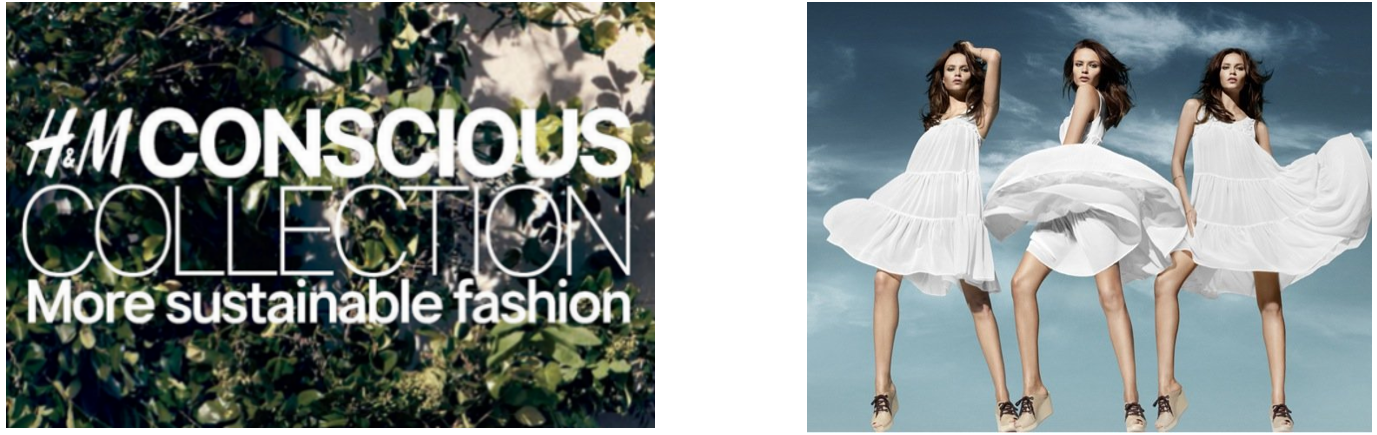
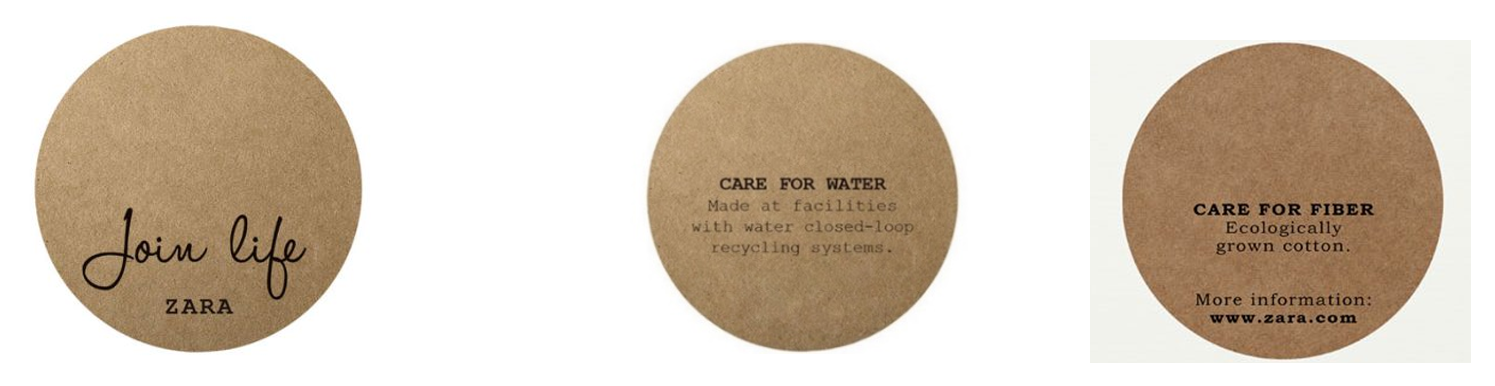
Fashion apparel manufacturers start selling ORGANIC COLLECTIONS AND FAIR TRADE PRODUCTS, which are made from ecological fabrics and are respectful with the environment and the Universal Declaration of Human Rights. H&M has been selling its "Conscious Collection" since 2011, while Inditex joined the ethical fashion movement in 2015 with the launch of the "Join Life" Collection. |
 |
 |
|
|
|
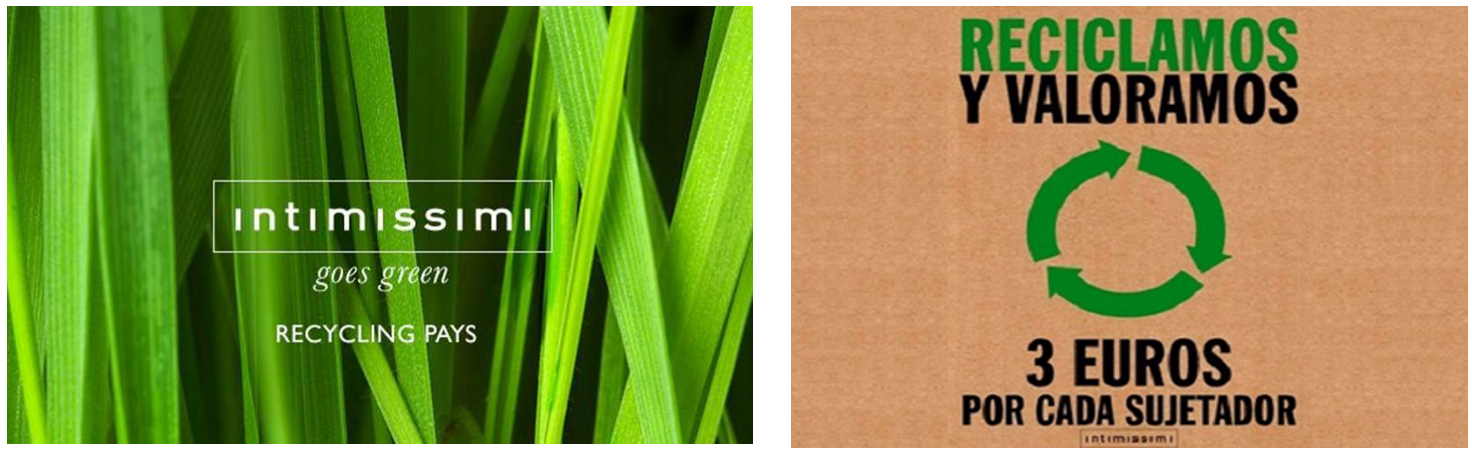
Fashion apparel manufacturers start promoting SUSTAINABLE SUPPLY CHAIN MANAGEMENT STRATEGIES to reduce the consumption of natural resources in the world. Manufacturers also launch recycling campaigns, asking their customers to bring them used products from their customers to reuse them and create new ones. In doing so, customers receive discount coupons for future purchases. |
 |
|
In this context, the main goal of the survey that you will respond next is to assess your knowledge and general perception of both the fashion industry and its efforts to boost the principles of "ethical fashion". If before reading this text you did not know anything about "ethical fashion" or these initiatives, do not worry. You can answer the survey based on your own opinion about the information you just read. Thank you very much for your collaboration! |
References
About contributors

Andrea Pérez
Business Administration Department, Universidad de Cantabria, Cantabria, Spain
Spain
Jesús Collado-Agudo
Business Administration Department, Universidad de Cantabria, Cantabria, Spain
Spain
Matthew T. Liu
Faculty of Business Administration, University of Macau, Macau, China
China