





Abstract
The Sonali Bag, a 100% plastic-free biodegradable jute-based biopolymer, is a sustainable response to the global demand for environmentally friendly substitutes. Using information from the Bangladesh Jute Mills Corporation and market projections, this study assesses its viability with SWOT, PESTEL, the 4Ps of the marketing mix, and Porter’s Five Forces. Research shows that the Sonali Bag is cost-competitive, with a Benefit-Cost Ratio of 2.53 at a premium price. Government incentives, including a 10% tax cut until 2026 and 8.4 million bales of jute produced annually, bolster its growth. Despite current production costs ($0.10 to $0.12 per unit) being higher than conventional plastic, strategic scaling may bridge this gap. The SWOT and 4Ps frameworks highlight market potential (21.3% CAGR), Porter’s 5 forces show risks of substitution, while the PESTEL analysis emphasizes regulatory and technological dynamics. Sales of lignin by-products ( 60/kg) could offset 15.94% of expenses. The study supports several UN Sustainable Development Goals (SDGs), including SDG 9, SDG 12, SDG 13, and SDG 14 which calls companies and policymakers to give innovation and awareness top priority. With effective policy, innovation, and awareness, the Sonali Bag could position Bangladesh as a leader in green packaging and jute-based bioplastics.
Introduction
Plastics, a group of synthetic or semi-synthetic organic materials, have become an essential part of modern life. Their versatility, resilience, and cost-efficiency have made them indispensable across industries like packaging, consumer products, construction, and medical devices. However, the extensive use of plastics has sparked serious environmental concerns. Approximately three hundred and eighty million tons of plastic products are created annually, of which only 9% of the waste is recycled. This waste accumulates in oceans, harming wildlife and affecting human health due to the pervasive presence of microplastics in food chains (Khan, 2023).
While plastics have revolutionized industries due to durability and low costs, their environmental impact is significant—only 9% of plastic waste is recycled annually, with much accumulating in oceans (Khan, 2023). In contrast, jute-derived biopolymer is biodegradable, renewable, and has a lower carbon footprint, positioning it as a more sustainable alternative (Islam, 2019a).
Jute Industry Background
The jute industry, particularly significant in countries like India and Bangladesh, is one of the oldest industries and is considered sustainable due to its low input requirements. Jute, or 'golden fiber', is a biodegradable crop used in packaging, textiles, and ropes. Its low water and chemical requirements make it a potential alternative to plastics. Jute farming is eco-friendly, requiring minimal water and chemicals, making it an excellent alternative to plastics.
The industry supports millions of farmers and workers, particularly in South Asia, but faces challenges such as competition from synthetic materials, fluctuating demand, and the need for innovation. Governments and international organizations have been promoting jute as part of a move towards more sustainable practices, highlighting its potential to reduce plastic waste and foster a greener economy (Sakib, 2022; Islam, 2019a). This context suggests that new jute-based ventures have strong potential to advance sustainable business objectives.
Sustainable Business Development
Sustainable Business Development integrates promoting the economy, preserving the environment, and enhancing societal welfare. It encourages businesses to adopt environmentally friendly practices, focusing on reducing environmental impact, improving social equity, and ensuring the responsible use of resources. The goal is to balance profitability with ethical considerations, fostering innovation that addresses current needs without compromising future resources. Key principles include reducing carbon footprints, adopting renewable energy, minimizing waste, and improving labor conditions (Sakib, 2022).
Strategic Relevance of Sonali Bag within Sustainable Frameworks
The Sonali Bag, a 100% plastic-free jute-based biodegradable bag, aligns with sustainable goals. Created from jute cellulose, the Sonali Bag mimics the properties of traditional plastic bags but is biodegradable, decomposing within a few months. This makes it a viable alternative to plastic bags, reducing plastic pollution. Its development aligns with the goals of sustainable business by promoting eco-friendly products, supporting local jute farmers, and minimizing environmental impact (Islam, 2019a).
The Triple Bottom Line framework (Elkington, 1997) is also in line with the Sonali Bag:
- Planet: Lowers carbon emissions (0.8 kg CO$_2$/kg compared to 3.5 kg for plastics) and plastic pollution (SDG 14).
- People: Promotes SDG 8 (Decent Work) by helping 1.5 million jute farmers (Section 1.1).
- Profit: Produces income from by-product lignin (Tk. 83 million per year, Table 2). However, dependency on subsidies (Tk. 100 crore) hampered long-term economic viability. This reflects the importance of policy support for long-term viability to meet TBL's profit pillar.
The introduction of jute and kenaf fiber-based carrier bags in India, as studied by Singh et al. (2023), aligns with the global trend of finding bio-based alternatives to plastics. Similar to the Sonali Bag, jute and kenaf-based packaging materials have demonstrated advantages in durability, cost-effectiveness, and environmental impact. Such research highlights the increasing relevance of the Sonali Bag initiative in Bangladesh as a leading sustainable packaging solution (Singh et al., 2023).
The Sonali Bag's biodegradable nature reduces plastic waste, contributing to SDG 12. Additionally, its production fosters rural employment (SDG 8) and promotes industrial innovation (SDG 9).
Evaluating Sonali Bag as a Biodegradable Market Alternative
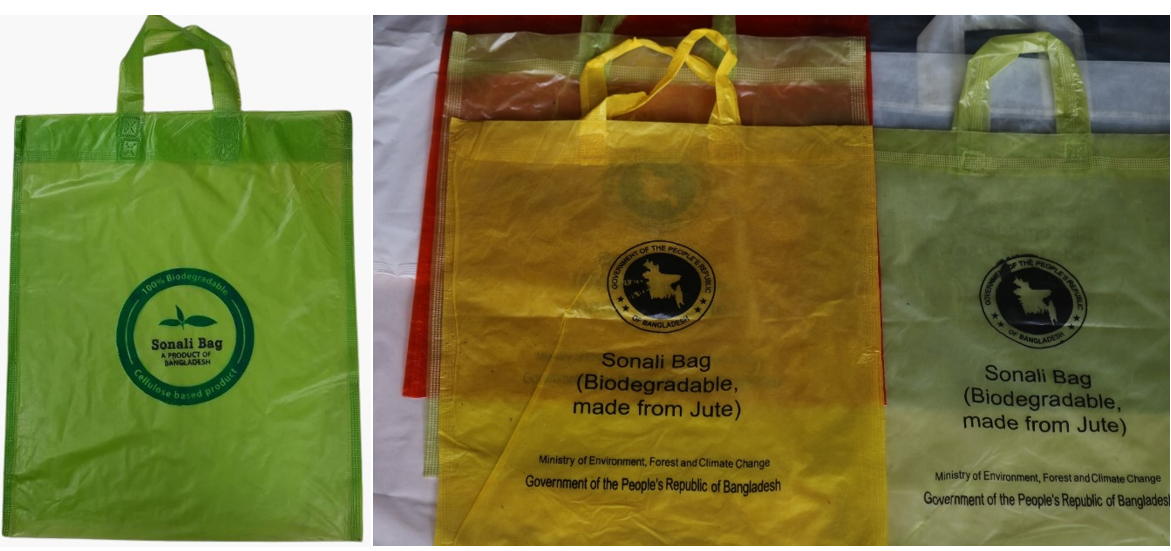
Making goods with a jute cellulose base could help revive the jute industry's golden age. The Sonali Bag's biodegradability has attracted global interest. Sonali Bag was invented by a Bangladeshi scientist, Dr. Mubarak Ahmed Khan, using jute cellulose as a base for biodegradable packaging (Salam et al., 2024). Figure 1 illustrates the Sonali Bag.
This reduces environmental pollution and boosts Bangladesh's economic growth. Using the biodegradable and environmentally friendly Sonali Bag is a crucial first step towards sustainability for a nation with as many people as Bangladesh. Both domestically and globally, there is a growing need for biodegradable packaging materials. Jute-based poly bag materials have been proposed as a promising substitute for petroleum-based plastic bags in both domestic and international markets (Ali, 2021). Some businesses are already making bioplastic. It is feasible to permanently stop using prohibited polythene if the biopolymer Sonali Bag is properly marketed. By 2022 and 2026, respectively, the market for biodegradable and environmentally friendly packaging is expected to reach approximately US$ 65 billion and US$78 billion (BusinessWire, 2017).
Similar to this, Bangladesh could prioritize meeting national interests (both domestic and export) by manufacturing Sonali Bags from jute polymer. Bangladesh could only satisfy one-third of the global jute demand if all of the jute produced there were utilized to create jute polymer bags or other packaging items (Ali, 2021). The Sonali Bag, produced using jute cellulose-based polymers, offers potential for economic contribution through sustainable innovation.
Additionally, since jute is the main cash crop in Bangladesh, promoting the production of jute through a range of jute applications may have a significant positive impact on the country's rural economy (Moniruzzaman et al., 2024). Since this novel product is relatively new in Bangladesh, it is crucial to strategize its marketing in addition to increasing its manufacturing. This study offers information to investigate the market potential and production technique for Sonali Bags made of jute. Despite the fact that the global market for biopolymer packaging materials is growing quickly, Bangladesh has produced relatively few research works on the topic. Therefore, evaluating the market potential and opportunities for biopolymer packaging based on jute cellulose would help to boost the Sonali Bag's profitability. It will have a significant effect on issues like climate change, soil, air, and pollution in oceans, as well as the possibility of keeping Bangladeshi jute's reputation intact on the global market.
Production Process of the Sonali Bag
The Sonali Bag project receives its raw jute from the Bangladesh Jute Mills Corporation (Bangladesh Jute Mills Corporation). When it comes to the production and use of vegetable fibers, jute ranks second only to cotton as a natural material. In addition, jute is a soft, lustrous vegetable fiber, 1- 4 meters long, and can be spun into coarse and robust threads. Its color ranges from off-white to brown (Bangladesh Jute Mills Corporation). Figure 2 illustrates the step-by-step process of producing Sonali Bags from raw jute.
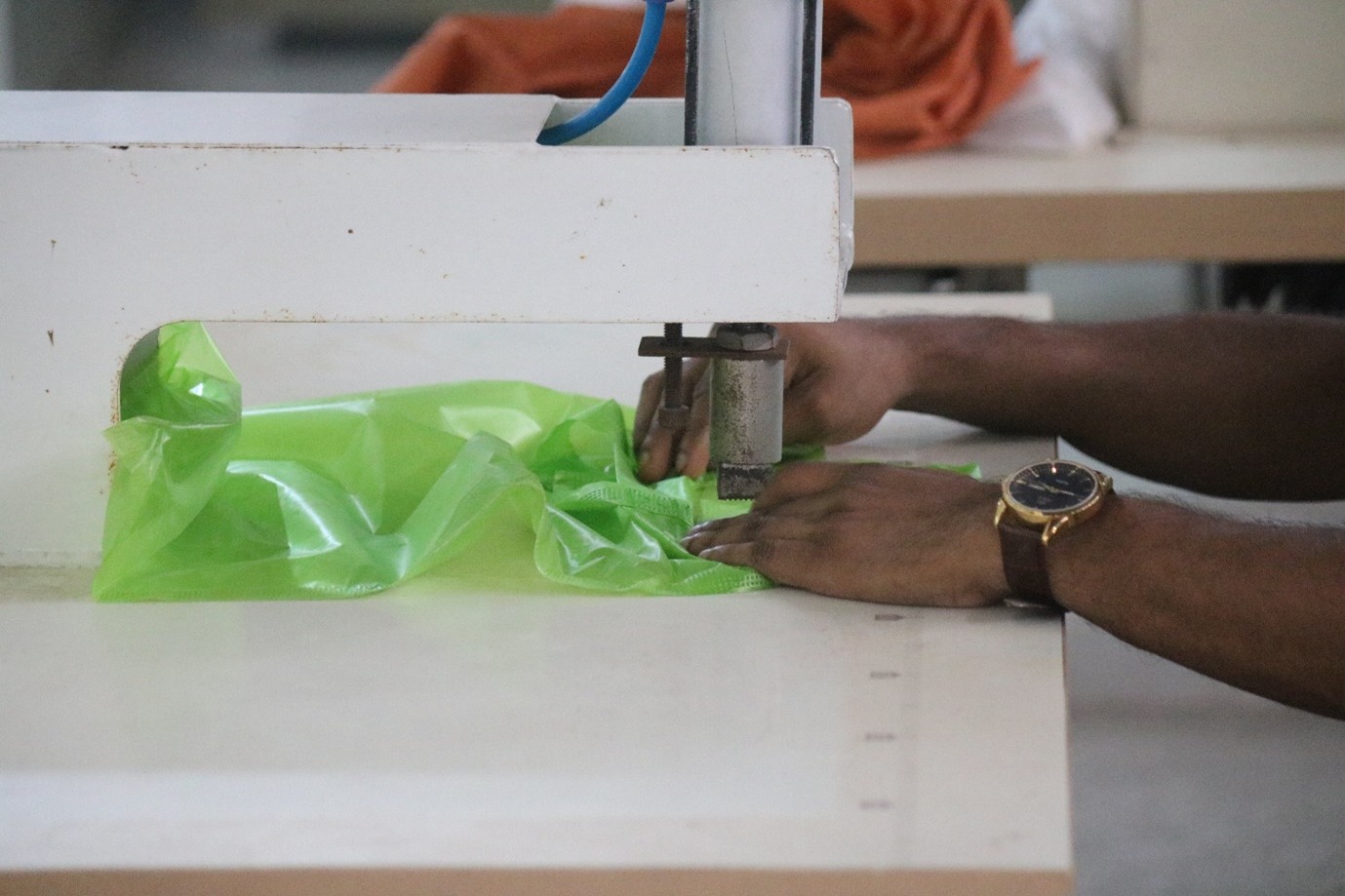
One kg of jute is needed to create one kg of Sonali Bags. In terms of chemicals, cellulose (65.2%), hemicellulose (22.2%), water-soluble matter (1.5%), fat and wax (0.6%), and lignin (12.5%) make up the biodegradable jute fiber (Bangladesh Jute Mills Corporation).
Jute, which is 3-4 meters in length, was cut into 1.5–2 cm pieces by the jute cutting machine, making it easy to extract jute cellulose by combining it with a chemical solution. After three to four hours of chemical separation, the cellulose was transformed into water-soluble cellulose by the cellulose derivative machine employing chemical components. The food-grade color, water-soluble cellulose, and other chemical ingredients were then thoroughly mixed in an autoclave (homogenized machine) to create the liquid solution of biopolymer, which was then stored in a machine for cooling before moving on to the next stage. A liquid polymer solution, one ton in quantity, was transformed into a sheet form in less than a day. In contrast, liquid soluble ingredients were transformed into biopolymer sheets using a 100-foot conveyor machine (Bangladesh Jute Mills Corporation).
The polymer sheets are colored using food-grade pigments to improve their aesthetic appeal without posing any health risks. This fourteen-chambered apparatus begins in the first chamber with a liquid biopolymer solution and concludes with a Sonali Bag sheet. Then, the most recent six-color printing technology was used to print Sonali Bags. After that, a bag-making machine was used to automatically make the bags in a range of predetermined sizes and shapes.
By-Product: Lignin
Sonali Bag production generates a by-product called lignin (100g/kg jute), valued at$30–$60/kg. Its uses across cosmetics, pharmaceuticals, and biofuels help offset production costs and support financial viability.
Benefits of Sonali Bag
Sonali Bags are water-soluble, biodegradable, and safe for food storage. They are recyclable using the production process and more durable than single-use plastic bags. The manufacture of these bags stimulates regional economies, especially for Bangladeshi jute industry laborers and farmers. Their compliance with emerging global regulations on plastic use makes them a practical option for businesses and consumers.
The Sonali Bag is a direct response to the growing demand for sustainable products. Sen et al. (2024) emphasizes that consumers are shifting towards eco-conscious purchases, preferring durable and environmentally friendly alternatives over single-use plastics. This aligns with global trends where consumers are increasingly concerned about the environmental and societal impact of their consumption patterns. The Sonali Bag not only reduces plastic waste but also contributes to planetary well-being through responsible production and consumption, as emphasized by Sen et al. (2024).
Competitive Advantages and Disadvantages Compared to Other Alternatives
According to a review of the literature, not many biodegradable polymer packaging bags have been created in the past fifteen years from raw materials such as cellulose shellac, banana and orange peels, shrimp shells, rice and sugar cane husk, bamboo fiber, sweet potatoes, corn, potatoes, and others. Most of these products are funded by government and eco-friendly organizations. However, they do not remain on the market for long due to high production costs, lengthy raw material procurement times, and subpar quality of handy poly bags. In contrast, the biopolymer Sonali Bag (developed by Bangladeshi scientists) may serve as a promising alternative to polythene bags, as it is lower in cost compared to other biodegradable packaging options, has a high rate of biodegradability (completing biodegradability in soil within 3 to 5 months), offers greater strength (capable of carrying 1.6 times more weight than a polythene bag), enables quick cellulose production from raw materials (110-120 days), includes reusable raw materials, and features an environmentally friendly manufacturing process (BJMC, n.d.). Research indicates that most biodegradable plastic comes from fruit waste, specifically banana peel-derived debris and orange peel trash (Chandarana & Chandra, 2021; Yaradoddi et al., 2022).
Starch-based polymeric composites, rice husk and sugarcane, cassava flour, bamboo fiber-PLA composite, and shrimp shells (Darwin, 2021; D'Angelo et al., 2019) are also used in Indonesian and Indian food packaging industries for bag packaging and carrying. Research has shown that the starch-based polymers' sensitivity is a good substitute for petroleum-based polymers in food packaging. According to Nath et al. (2023), cellulose bio-composite films demonstrate superior mechanical performance compared to other biopolymers.
A recent study by Singh et al. (2023) assesses jute and kenaf carrier bags as eco-friendly alternatives to conventional plastic. The research demonstrates that jute and kenaf bags have superior mechanical strength, lower environmental footprint, and better economic feasibility compared to many synthetic and other biodegradable polymer alternatives. These findings further support the case for Sonali Bags as the optimal solution for reducing plastic pollution.
Table 1 below provides a structured comparison of Sonali Bags with other prominent biodegradable packaging solutions, focusing on key criteria such as cost, biodegradability, raw material procurement, mechanical strength, and environmental impact.
| Criteria | Sonali Bag (Jute-Based) | PLA (Corn/Starch-Based) | Starch-Based Composites | Fruit/Vegetable Waste (e.g., Banana Peel) | Jute/Kenaf Bags |
| Cost Competitiveness | Lower cost ($0.10–$0.12/unit) due to abundant jute (BJMC, n.d.). | High cost ($0.20–$0.30/unit) due to resource-intensive crops (Fortune Business Insights, 2024). | Moderate cost ($0.15–$0.25/unit) but sensitive to agricultural yields (Darwin, 2021). | High cost ($0.25+/unit) due to fragmented raw material sourcing (Chandarana & Chandra, 2021). | Comparable to Sonali Bag but limited to coarse textiles (Singh et al., 2023). |
| Biodegradability Time | 3–5 months in soil (BJMC, n.d.). | 6–12 months in industrial composting (Yuanfeng Pan et al., 2016). | 4–6 months under optimal conditions (Bharti Soni et al., 2020). | 2–4 months but prone to premature degradation (Yaradoddi et al., 2022). | 3–6 months, similar to Sonali (Singh et al., 2023). |
| Raw Material Availability | Abundant in Bangladesh (8.4M bales/year) with established supply chains (DhakaTribune, 2024). | Dependent on corn/starch crops, competing with food security (Grand View Research, 2022). | Requires starch crops (e.g., cassava), limited to tropical regions (Darwin, 2021). | Seasonal and geographically constrained (e.g., banana peels in Asia) (Chandarana & Chandra, 2021). | Regionally abundant but less versatile for biopolymer processing (Singh et al., 2023). |
| Mechanical Strength | 1.6x stronger than polythene (BJMC, n.d.). | Moderate strength, prone to brittleness (Yuanfeng Pan et al., 2016). | Low tensile strength, requires additives (Bharti Soni et al., 2020). | Weak structural integrity, unsuitable for heavy loads (Yaradoddi et al., 2022). | High durability but limited to textile applications (Singh et al., 2023). |
| Production Scalability | High scalability due to existing jute infrastructure (Ahsan, 2022). | Limited by agricultural land and processing complexity (Fortune Business Insights, 2024). | Moderate scalability, constrained by starch supply (Darwin, 2021). | Low scalability due to fragmented waste collection systems (Chandarana & Chandra, 2021). | Scalable for textiles but not biopolymer conversion (Singh et al., 2023). |
| Environmental Footprint | Low carbon emissions (0.8 kg CO2eq vs 3.3 kg for plastics) (BJMC, n.d.). | High water/fertilizer use for crop cultivation (Grand View Research, 2022). | Moderate emissions but land-intensive (Bharti Soni et al., 2020). | Low emissions but energy-intensive processing (Yaradoddi et al., 2022). | Similar to Sonali Bag but higher energy use in weaving (Singh et al., 2023). |
While alternatives like PLA and starch-based composites encounter challenges related to cost, scalability, and performance, Sonali Bags stand out as a balanced solution with clear advantages in affordability, biodegradability, and strength. Nevertheless, its regional dependence and chemical usage reveal areas for improvement. This positions Sonali Bags as a credible leader in sustainable packaging, especially in jute-producing regions.
Contribution to the UN Sustainable Development Goals
The Sonali Bag project aligns with the United Nations Sustainable Development Goals (SDGs) by reducing plastic dependency (SDG 12), decreasing carbon emissions in production (SDG 13), promoting industrial innovation (SDG 9), and revitalizing Bangladesh's jute industry (SDG 8). Moreover, its biodegradable nature contributes to SDG 14, by addressing marine plastic pollution. A list of the SDGs has been provided in Table 3.
| SDG | Sonali Bag Contribution | Evidence |
| SDG 12 | Reduces plastic waste via biodegradable packaging | Decomposes in 3--5 months |
| SDG 13 | Low-carbon production process | 77% lower emissions than plastics |
| SDG 8 | Supports 1.5 million jute farmers | Employment data |
| SDG 9 | Innovations in jute biopolymer technology | Government subsidy of 100 crore BDT |
| SDG 14 | Reduces marine pollution | Reduction in plastic debris |
Contribution to the Body of Knowledge
This research contributes to sustainability and innovation theory by integrating multiple frameworks. First, by applying Rogers' Diffusion of Innovations to the Sonali Bag case, this study empirically demonstrates how Rogers' five attributes (relative advantage, compatibility, etc.) facilitate the adoption of a green technology in a developing country context. Second, using Elkington's Triple Bottom Line perspective, this study shows how the Sonali Bag advances environmental (reduced CO\textsubscript{2}, less plastic waste), social (improved farmer livelihoods), and economic (new revenue from lignin) objectives. Third, the study reinforces the circular economy and sustainable development by quantifying the role of biodegradable by-products in value creation. In sum, the findings link the Sonali Bag's success factors to established sustainability and innovation constructs, filling a gap in the literature on green packaging in the Global South.
Methodology
Data Sources
Primary data were gathered through interviews and direct observations of key industry actors. Dr. Mubarak Ahmad Khan (the inventor of Sonali Bag, a leading expert, and scientific advisor at the Bangladesh Jute Mills Corporation) and his team were interviewed during visits to Bangladesh Jute Mills Corporation production laboratories. Additionally, in-depth interviews with managers and technicians at Latif Bawany Jute Mills Ltd. in Demra (Dhaka) were conducted. Latif Bawany is a primary state-owned jute mill exporting approximately 5,000 metric tons of jute products annually (Kabir & Salema, 2020). Personnel offered insights on jute processing and scaling feasibility. Together, these primary interviews provide rich, firsthand information on technical processes and innovation practices in the jute-based biopolymer sector.
Secondary data were obtained from authoritative industry publications and databases. This study reviewed official reports and materials from the Bangladesh Jute Mills Corporation, including updated Sonali Bag brochures and internal production statistics. This study also incorporated research data from the Bangladesh Institute of International and Strategic Studies (BIISS), market research from Grand View Research and Statista, and industry analyses such as the Indian Jute Mills Corporation data and IDLC Finance's business reports. These sources were selected for credible data on jute production volumes, market demand, and economic factors. By triangulating expert interviews with these documented sources, the study's empirical foundation is strengthened with both qualitative insights and quantitative market information.
Analyzing Methods
A SWOT analysis was conducted to understand how strengths can be utilized and emphasized, weaknesses can be identified and minimized, opportunities can be exploited, and threats can be eliminated. A PESTEL analysis was performed to examine how Political, Economic, Social, Technological, Environmental, and Legal factors in Bangladesh may impact the sustainable business of Sonali Bag. Other competitive analyses were carried out, including the 4Ps of the marketing mix and Porter's 5 forces.
Distinctive Insights and Addressing Gaps
The SWOT Analysis assesses internal capabilities, such as strengths and weaknesses, along with external challenges and opportunities. The PESTEL Analysis considers macro-environmental factors, highlighting the social and regulatory drivers for adopting the Sonali Bag.
The 4Ps and Porter's 5 Forces help evaluate the market position and competitor dynamics, which explains how the Sonali Bag can enter plastic-dominated markets.
This mixed-methods approach addresses the gaps in regional strategies for sustainable packaging. Financial metrics validate jute's economic viability, and supply chain analysis highlights how Bangladesh's jute infrastructure can support global scaling.
Formulas
To determine the net return or profit, the formula used is:
Net return = GR – TC
Here, GR refers to Gross Return, calculated by adding the total annual return from Sonali Bag production to the total return from by-products (lignin). TC denotes Total Cost, which is the sum of total fixed and total variable costs.
Benefit Cost Ratio
The benefit-cost ratio (BCR) is a relative metric used to assess the benefits obtained for each unit of cost. The formula for calculating the undiscounted BCR is:
Benefit-cost ratio (BCR) = Gross return / Total cost.
Theoretical Framework
This study utilizes two theoretical frameworks to examine Sonali Bag's potential for long-term commercial growth:
Diffusion of Innovations (Rogers, 1962): According to this concept, five qualities are essential for adoption: trialability, complexity, compatibility, observability, and relative advantage. These factors evaluate the Sonali Bag's advantages and disadvantages regarding market penetration.
Triple Bottom Line (Elkington, 1997): This approach evaluates sustainability from the perspectives of the environment, people, and profit to provide a comprehensive analysis of the Sonali Bag's environmental, social, and economic viability. The study offers an organized framework for assessing adoption barriers (DOI) and holistic sustainability (TBL) by combining these theories. Table 4 summarizes how the Sonali Bag case aligns or conflicts with the Diffusion of Innovations and Triple Bottom Line theories.
| Theory | Concurrence | Contradiction |
| Diffusion of Innovations | Relative advantage, observability, compliance | Complexity (high production costs) |
| Triple Bottom Line | Planet (pollution reduction), people (jobs) | Profit (subsidy dependency) |
Limitations
While this study offers a thorough analysis of Sonali Bag's potential as a sustainable alternative to conventional plastic packaging, certain limitations should be acknowledged to ensure a balanced interpretation of the findings.
First, the study assumes the continuity of government subsidies (e.g., tax cuts, grants) based on existing policies, such as the 10% tax reduction on jute-based products until 2026. However, political shifts, economic downturns, or changes in national priorities could alter these incentives, potentially impacting the financial feasibility of large-scale Sonali Bag production. Future research should adopt scenario-based financial modeling to explore how reduced subsidies would influence production costs, pricing strategies, and overall market viability. Alternative funding sources, such as private sector investments, public-private partnerships, and international climate financing, should also be examined to assess long-term resilience.
Second, due to the unique nature of this study in Bangladesh, there is a reliance on data from the Bangladesh Jute Mills Corporation. While Bangladesh Jute Mills Corporation is a key player, its data exclusivity limits cross-validation with independent sources. This reliance is primarily due to the lack of sector-wide empirical studies on jute biopolymers in Bangladesh. To mitigate this, future research should incorporate comparative analyses using data from other jute-producing nations, such as India, where similar biodegradable alternatives are being explored (Singh et al., 2023). Additionally, structured interviews with multiple stakeholders (e.g., private jute mills, policymakers, and independent market analysts) could enhance data reliability.
Lastly, advanced statistical modeling (e.g. regression or STATA-based econometrics) was not applied due to data limitations. This method is consistent with previous research on novel sustainable products in emerging economies, where limited time series data and fragmented marketplaces prevent strong econometric analysis. Instead, this study used descriptive and strategic frameworks (SWOT, PESTEL, 4P, Porter's Five Forces) to combine qualitative and quantitative insights. For example, Singh et al. (2023) employed similar analytical tools in studying jute-based bags in India, citing insufficient market data for predictive modeling. Future research could use longitudinal sales data or collaborative datasets (e.g., from industry associations) to support time-series or econometric analyses.
By recognizing these limitations and proposing structured mitigation strategies, this study lays the groundwork for further empirical investigations that can provide a more nuanced understanding of Sonali Bag's long-term market potential and sustainability impact.
Analysis
Market Analysis: Plastic Market Size of Bangladesh
The plastic industry in Bangladesh is rapidly growing, employing around 1.5 million people and contributing approximately 1.5% to the country's total export revenue. In 2018-2019, plastic product exports were valued at about About $120 million, with key markets being the USA, Canada, and other international destinations. Despite challenges such as a lack of quality testing facilities and high production costs, the industry is expected to grow significantly, with the market projected to reach $115.10 billion by 2023. Government incentives, such as tax breaks, are also expected to help the sector expand (Islam, 2019a; Sakib, 2022) .
Bioplastic Market of Bangladesh
Bangladesh's bioplastic market is emerging and is driven by innovations such as the Sonali Bag. This jute-based, biodegradable alternative to plastic has attracted international attention as part of a broader movement toward sustainable packaging. Bangladesh currently produces around 15,000 Sonali Bags daily on an experimental basis, with plans for commercial expansion soon. The development of the bioplastic industry aligns with efforts to reduce plastic pollution and tap into global demand for eco-friendly products (Sakib, 2022; Islam, 2019a).
Price Comparison with Conventional Plastic Bags
Sonali Bags currently costs $0.10-$0.12 per unit, which is three to four times more than conventional plastic bags ($0.01-$0.03) due to higher jute and bioplastic production costs. This price gap may narrow as production scales and bioplastics gain regulatory and consumer support (Sakib, 2022; Islam, 2019a).
Cost Advantages of Sonali Bag Compared to Other Bioplastics
The Sonali Bag could become cheaper than other bioplastics because jute is a commonly available and cost-effective raw material in Bangladesh. Jute farming is sustainable and requires fewer resources, such as water and pesticides, unlike bioplastics made from crops like corn or sugarcane, which are more resource-intensive. Additionally, the Bangladeshi government's support, such as subsidies and investments in eco-friendly products, helps reduce production costs. Using existing jute industry infrastructure also lowers capital investment, making it easier to scale up production and achieve cost savings through economies of scale (Sakib, 2022; Islam, 2019a).
SWOT Analysis
Figure 3 below summarizes the SWOT analysis for Sonali Bag. Further explanations have been provided as follows.
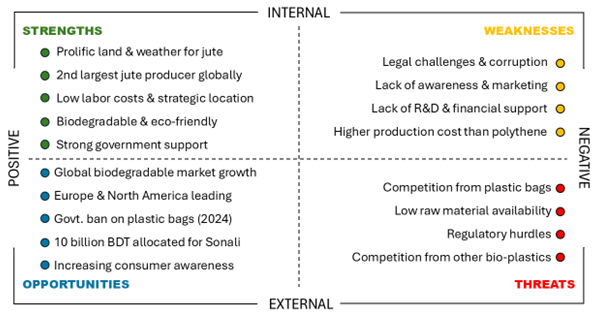
Strength: The production of jute was 5.1 million bales in 2015, said Agriculture Minister Dr Md Abdus Shahid. In the fiscal year 2022-23, around 8.4 million bales of jute (DhakaTribune, 2024) were produced by the country, as well as the low labor cost, low tax rates, and strategic location, which help to keep the costs low (Chaudhary, 2024). Bangladesh is already exporting around USD 1 billion of jute and jute-based material. This gives Bangladesh the position of the second-largest jute producer in the world (Ahsan, 2022). The Sonali Bag benefits from being part of the biodegradable product portfolio derived from jute. Key factors of production, such as land, labor, capital, and entrepreneurship, are locally available, which supports potential scalability. One significant advantage of Sonali Bags as an initiator is the government's support for its production. A significant amount of 100 crore BDT was allocated as strong financial backing (Textile Focus, 2024).
The Sonali Bag offers an alternative with certain advantages over traditional plastics, which includes biodegradability and compliance with international laws such as the EU Directive 2019/904 (European Union, 2019). Stakeholder acceptability is accelerated by its observability (DOI), which is demonstrated by the noticeable decreases in plastic garbage in Bangladeshi waterways.
Weaknesses: Bangladesh has significant weaknesses such as legal challenges, corruption, inadequate infrastructure, lack of R&D, insufficient financial support, and lack of awareness regarding Sonali Bags. Additionally, the manufacturing cost is double that of conventional plastic bags. There is also insufficient marketing (Akther, 2022). Other weaknesses for Sonali Bags include logistical challenges and the lack of involvement from the private sector.
Adoption in price-sensitive markets may be slowed by complexity (DOI), which is caused by high production costs (Tk. 5.64/bag vs. Tk. 0.03 for plastics), notwithstanding its benefits. This goes against Rogers' theory that diffusion is guaranteed by relative advantage alone.
Opportunities: The market size of biodegradable plastic is 7.9 billion in 2023, which is projected to reach 20.9 billion in 2028 with a 21.3% CAGR (Marketsandmarkets, 2023). The bioplastic market is increasing in developed and developing countries. The largest market is held by Europe (CAGR 12.7%) and the fastest-growing market is held by North America (CAGR 13.7%) (Straits Research, 2023). In Bangladesh, the interim government has taken a great initiative to decrease the supply of conventional plastic. According to Syeda Rizwana Hasan, adviser for environment, forest, and climate change in the interim government, from 01 October 2024, the supermarkets are not allowed to provide any plastic shopping bags. Only eco-friendly options are allowed, such as a bag made from jute and fabric, as well as the Sonali Bag (DhakaTribune, 2024). Bangladesh government allocated 10 billion BDT as an initial incentive for the Sonali Bag (Textile Focus, 2024). People are now becoming more concerned about health and also about nature. Also, the government's banning and implication of regulations are increasing the market size of bioplastic demand and consumption. These opportunities could help to overcome and minimize the weakness, as well as increase the demand of the Sonali Bag. Since the Sonali Bag costs less than PLA and other bioplastics, it is well-positioned to capture a significant market share.
Threats: The only threat to the Sonali Bag is conventional plastic. Around 45.55 billion polythene bags are used every year (The Daily Star, 2023) and their prices are much lower than the Sonali Bag. Also, the raw materials are easily available. Other threats to Sonali Bags could be the low availability of raw materials and regulatory hurdles. Furthermore, the availability of other bioplastic products could be challenging for the Sonali Bag.
PESTEL analysis
Figure 4 presents a visual summary of the key PESTEL factors affecting the Sonali Bag’s market environment in Bangladesh.
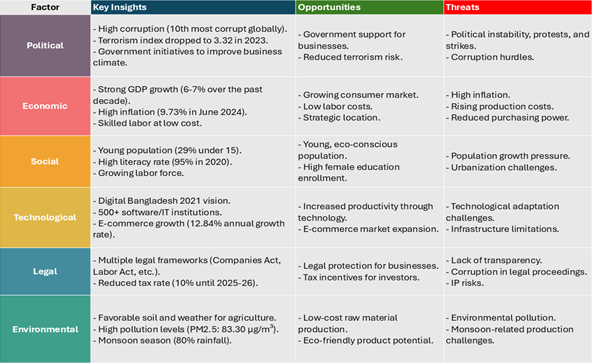
Economic: Bangladesh is a developing country. It has a strong record of growth. Remittance inflow and export of ready-made garments are the two leading causes of economic growth. Over the past decade, Bangladesh experienced 6-7% growth in GDP (World Bank, 2024). Detailed data is given in Table 4 and visualization in Figure 5.
| Sector | 2021-22 | 2020-21 | 2019-20 | 2018-19 | 2017-18 | 2016-17 |
| Services | 6.31 | 5.73 | 3.93 | 6.88 | 6.55 | 6.37 |
| Agriculture | 2.20 | 3.17 | 3.42 | 3.26 | 3.54 | 3.20 |
| Industry | 10.44 | 10.29 | 3.61 | 11.63 | 10.20 | 8.27 |
| GDP at Constant price | 7.25 | 6.94 | 3.45 | 7.88 | 7.32 | 6.59 |
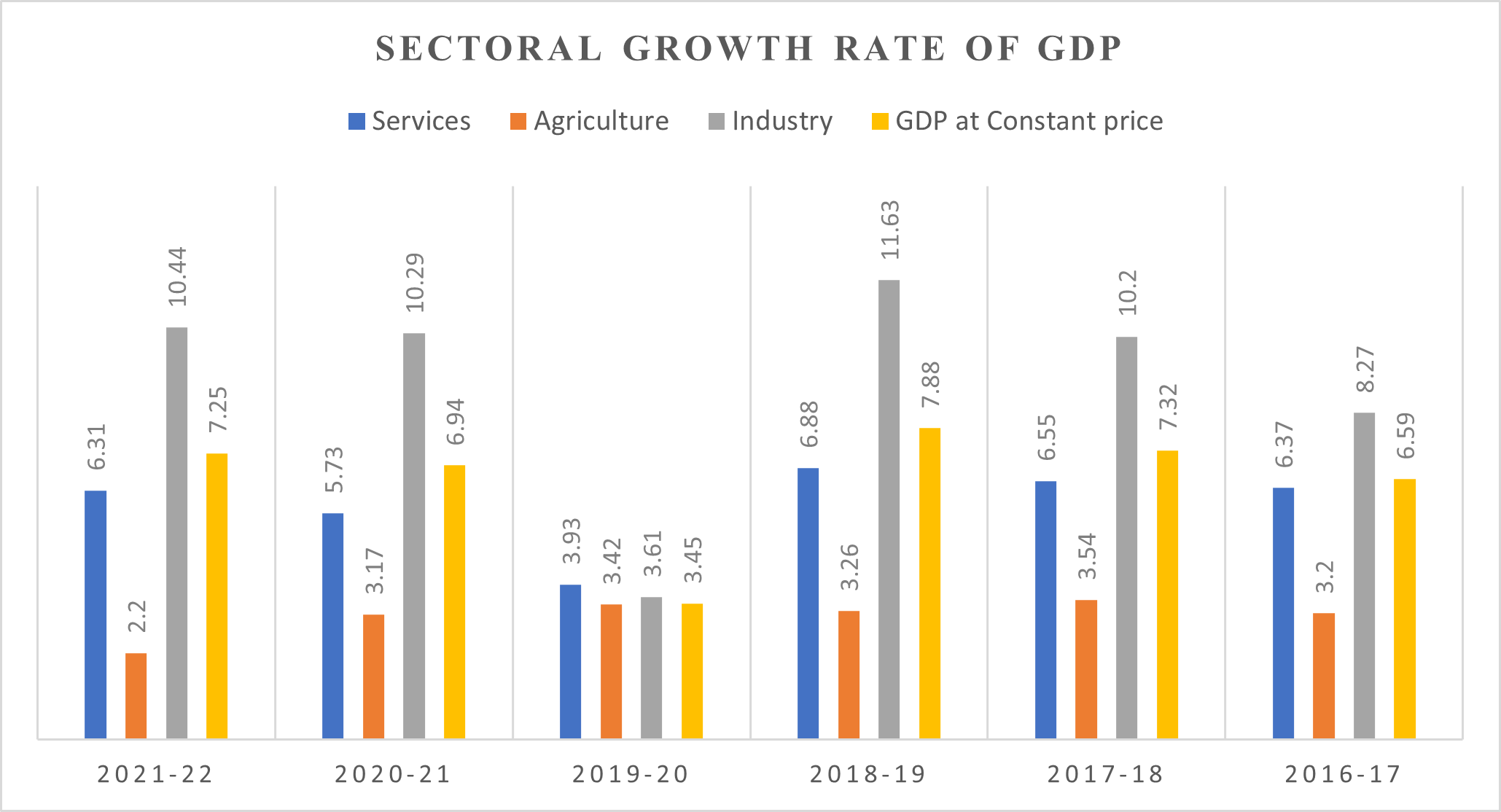
The reason behind this development is the skilled labor at low labor cost, strategic location, and the growing consumer market of over 170 million (Worldometer, 2024). The threat to the Economy is the inflation rate. In June 2024, the inflation rate was 9.73%, and in 2023 it was 9.02% (Bangladesh Bank, 2024). High inflation is a significant threat to both consumers and businesses. Most of the people of Bangladesh are middle class. For them, the purchasing of goods has become difficult, as well as for the industry, the raw materials and the production costs are becoming so high. Even though agricultural growth declined slightly during the COVID-19 period, Sonali Bag production is expected to boost growth in the agriculture sector as well as its industry segment. The inflation factor could be challenging for buying the raw materials and the machinery.
Social: A substantial portion of the Bangladesh population is young (29%) under the age of 15, and 66.5% of people are middle-aged. Around 0.98% of the population grows annually. Also, over 21 million people live in the capital city (Dhaka). Which reflects the high potential of the labor force growth (Worldometer, 2024). Also, the educational sector saw dramatic improvements. The literacy rate increased from about 62% (2007) to 95% (2020). Female to male enrolment ratio of 1.09:1 (2021) up from 0.49:1(1971) (Aziz, 2022). Initiatives taken by the government have made it possible to meet the demand of modern education and skills development. This young generation could get more aware of the plastic pollution and get knowledge about the Sonali Bag and jute polymer with its eco-friendly attributes. The young population could be one of the target markets of Sonali Bag.
Technological: Bangladesh is rapidly advancing technologically through its Digital Bangladesh Initiative, which supports over 500 IT firms across 100+ industries (Rahman, 2024). Increased automation and software adoption have boosted productivity and reduced manual processing costs. The country ranked 46th in global e-commerce revenue (Islam, 2019a), with the market projected to reach USD 6.8 billion by 2024 (Statista, 2024), growing at a 12.84% CAGR through 2029. Expanding 4G and upcoming 5G networks (Rahman, 2024) further enhance digital infrastructure. These developments can support Sonali Bag's R&D, enabling more efficient and cost-effective jute polymer production.
Legal: Bangladesh's business landscape is shaped by laws such as the Companies Act 1994, Labor Act 2006, and Foreign Investment Act 1980. However, regulatory inefficiencies, legal opacity, and corruption bring challenges, especially in securing permits and protecting IP (Islam, 2024; Hossain & A., 2024; Law Firm, 2023). Labor law enforcement also remains weak. Despite these issues, tax incentives, such as the 10% rate for jute product manufacturers (Fibre2Fashion, 2023) support cost reduction for initiatives like the Sonali Bag.
Environmental: Bangladesh's environment presents both opportunities and challenges. Around 80% of rainfall occurs during the monsoon season (WeatherOnline, 2024). The country faces severe environmental risks, including air and water pollution, poor sanitation, and lead exposure—factors linked to 272,000 premature deaths annually (World Bank Group, 2024). In 2019, environmental issues accounted for 17.6% of GDP, with air pollution alone contributing to 8.32% and causing 55% of premature deaths. Climate projections suggest one in seven Bangladeshis may be displaced by 2050. Bangladesh topped global PM2.5 pollution rankings in 2019 with a value of 83.3 \(\mu\text{g}/\text{m}^3\) —classified as 'unhealthy' (IQAir, 2023). While the Environment Conservation Act aims to improve sustainability and pollution control (Bangladesh Biosafety, 1995), weak enforcement and limited resources remain barriers. Nevertheless, Bangladesh's climate enables faster, lower-cost production of raw jute for Sonali Bags.
Marketing Mix Analysis (4Ps)
Product: Both in international and local markets, Sonali Bags are going to be an environmentally friendly alternative to the conventional bags and bioplastic bags. By following a cost-leadership strategy, Sonali Bag could capture a significant portion of the market. Initially, it is composed of 70% jute fibers and biodegradable polymers, which are very similar to conventional plastic with eco-friendly attributes. Multiple times stronger than conventional plastic (The Story Watch, 2024). Sonali Bags could be used for both food packaging and grocery shopping, because of their natural composition, it is one of the safest plastics.
Price: Compared to conventional plastic, Sonali Bags are higher in price, but will not be much more than the other bioplastics. As it is still in the initial stage, the cost is higher. However, eventually, as the demand for Sonali Bags grows, the increase in production at a large scale will decrease the cost. As Bangladesh is the top country in exporting Jute Diversified Products, it could take advantage of cost leadership. The National Board of Revenue of Bangladesh has extended tax incentives for companies that produce jute products. Until the fiscal year 2025–2026, these companies will be subject to a reduced tax rate of 10%, which will help to cut the cost (Fibre2Fashion, 2023).
Place: The supply of raw materials is advantageous for Bangladesh due to its abundant jute cultivation, which aligns with the agro-industrial infrastructure emphasized by BJMC (n.d.). The localized supply chain minimizes logistical challenges, mirroring findings from Sakib (2022), who highlighted Bangladesh's potential to leverage regional jute production for sustainable manufacturing. Distributing through wholesalers to supermarkets and small retailers aligns with the B2B partnership model proposed in Section 5.2.1, validated by Sakib's (2022) analysis of Bangladesh's growing bioplastic sector. E-commerce platforms, as noted in Statista (2024), are critical for reaching eco-conscious consumers globally, particularly in markets like Europe, where demand for biodegradable alternatives is rising (Grand View Research, 2022). Targeting foreign markets with high demand for sustainable products (e.g., Europe) aligns with the export-led growth strategy discussed in Section 6.3, supported by Bangladesh's projected dominance in raw jute production (Ahsan, 2022). Promotion: Awareness gaps around the Sonali Bag highlight broader challenges in shifting consumer behavior from conventional plastics. Eco-conscious branding is essential to adoption (Sen et al., 2024). Social media campaigns, workshops, and partnerships with non-governmental organizations (NGOs) align with the Diffusion of Innovations model by enhancing the observability and relatability of the innovation (Section 2.4) (Islam, 2019b). Bulk purchase incentives address consumer price sensitivity (DhakaTribune, 2024), while highlighting environmental benefits through government collaborations supports policy-driven demand (Singh et al., 2023).
Porter's Five Forces Analysis
Figure 6 provides a visual summary of Porter’s Five Forces affecting the Sonali Bag market in Bangladesh.
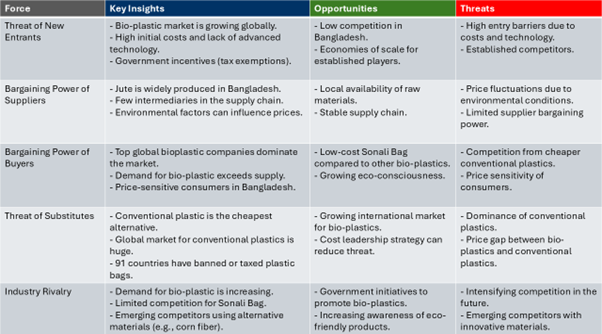
Threat of new entrants: The bioplastics market is expanding globally, with Europe holding the largest share (CAGR 12.7%) and North America growing fastest (CAGR 13.7%) (Straits Research, 2023). Although only 0.02% of global agricultural land is used for bioplastics, nearly 90% of fossil-based plastics could be replaced if supply increased. Currently, competition remains limited due to high costs, technological barriers, and inadequate infrastructure. In Bangladesh, Sonali Bags mainly compete with conventional plastic, as biobased rivals are scarce. High entry barriers and economies of scale favor existing players, but tax incentives and scale-driven cost reductions may encourage future entrants. Bargaining power of suppliers: Sonali's primary raw material is jute, which is extensively produced in Bangladesh. There may be a few intermediaries involved in the purchase of raw materials, as well as in sales to spinners, mills, and exporters of raw jute. However, agricultural and environmental conditions can affect the prices set by suppliers. Overall, suppliers have limited bargaining power.
Bargaining power of buyers: Top Companies of Bioplastics globally: Top 10 By Revenue BASF SE, Eastman Chemical Company, Futamura Group, Plantic Technologies, NatureWorks LLC, TIPA Corp Ltd, Polymateria Ltd, Biome Bioplastics Limited (Emergen Research, 2023). These top brands hold significant influence in the international market. However, supply does not meet demand, which creates pressure on vendor bargaining power. Here, Bangladesh has a great opportunity due to the low-cost Sonali Bag compared to other bioplastics. Though some significant concerns exist, the main one is the cheaper conventional plastic. Buyers have fewer costly options. Consumers, particularly in Bangladesh, are price sensitive and prefer cheaper alternatives. Enhancing knowledge and awareness can provide producers with more negotiating leverage by encouraging a preference for eco-friendly products.
Threat of substitutes: Conventional plastic remains the cheapest and most widely used substitute, with a market value of USD 624.16 billion in 2023, projected to reach USD 867.43 billion by 2031 (CAGR 4.2%) (Skyquest, 2024). Despite bans or restrictions in 91 countries—including taxes in 26 European nations—its dominance persists (Buchholz, 2024; United Nations, n.d.). In contrast, the global bioplastics market was valued at USD 7.49 billion in 2023 and is expected to grow to USD 56.99 billion by 2032 (CAGR 29.0%) (Fortune Business Insights, 2024). This gap presents an opportunity for Bangladesh to enter the market, where a cost-leadership strategy could reduce the threat posed by conventional plastics Industry Rivalry: The demand for bioplastics is steadily rising across sectors, and market competition is increasing. However, Sonali Bags currently face limited rivalry, even less than in the conventional plastic market. As public awareness and government support grow, competition is expected to intensify. For instance, Expo Accessories, a Bangladeshi company using corn fiber imported from India, has produced biodegradable packaging since 2014. Their products – available in white, black, and green – are supplied to 30 local garment firms serving international brands. They also manufacture other items like hangers, tags, and clips from the same material.
Business Model
Supply Chain Strategy
Supply Chain Model
Adopting an agile supply chain model can help accommodate the initial fluctuations in demand growth for Sonali Bag. Since it is a new product, the growth stage will bring numerous new partners and clients, which will enhance demand. The agile model will enable the supply chain to be flexible and prepared for changes in demand (Universidade NOVA de Lisboa, 2013). A continuous flow model for the supply chain can later be implemented once demand stabilizes and various industry standards are established. Interactions within the supply chain will take place through a business-to-business (B2B) model. In this system, raw materials are sourced from suppliers and delivered to the manufacturing factory, where they are converted into the final products of Sonali Bag. The finished product is then shipped to clients such as retailers and partners.
Raw Material Sourcing
The supply chain is initiated with sourcing raw jute from Bangladesh, which is mainly cultivated in the Ganges Delta, which covers Bangladesh and parts of India. Approximately 80% of jute in the world is grown in this fecund region. Bangladeshi farmers sell jute directly or via intermediaries, while Bangladesh Jute Mills Corporation supplies unprocessed jute for Sonali Bag production, ensuring supply chain stability. Since jute is always available in local marketplaces throughout the year, with the harvest season being the best time to find it, the supply of raw jute is relatively stable, which supports continuous production locally.
Production Process
Once the raw jute is acquired, it undergoes processing to extract cellulose, the primary component needed to manufacture Sonali Bag. The production process is detailed in the "How it is made" portion of the paper.
Distribution to Retailers and Partners
After production, the finished bioplastic bags are distributed to retailers and B2B partners. The distribution network should be designed to prioritize regions where there is a high demand for sustainable packaging solutions. The primary customers for Sonali Bags should include retail stores, supermarkets, e-commerce companies, and export partners who will use these bags as eco-friendly packaging alternatives. This model aligns with B2B best practices observed in similar sectors, such as the bioplastic industry, where manufacturers make partnerships with businesses looking to lower their carbon footprint.
Strategic Focus on Direct Farmer Supply
Direct sourcing from jute farmers can improve cost-effectiveness and sustainability by reducing intermediaries in the supply chain. This strategy minimizes the involvement of intermediaries, reducing costs and potential delays. The direct farmer-to-factory supply model will also strengthen relationships with local communities and farmers of Bangladesh, enhancing the overall supply chain efficiency. Furthermore, this model can make a secure and steady supply of high-quality raw materials, which is crucial for maintaining the quality standards of the Sonali Bag.
Supplier Bargaining Power in the Jute Supply Chain
In Bangladesh, the bargaining power of jute suppliers is relatively low and manageable. This is because of the structure of the jute supply chain and government interventions. Farmers primarily produce raw jute, but they often sell their crop to intermediaries or directly to jute mills. Government agencies monitor pricing and commercial activities, reducing the risk of sudden price surges. Furthermore, the Bangladesh Jute Mills Corporation, a major supplier of raw jute, helps regulate prices and create a steady supply, further stopping the bargaining power of individual farmers or intermediaries (Bangladesh Jute Mills Corporation). Abundant supply and stable demand limit supplier bargaining power.
Customer Bargaining Power in the Jute Supply Chain
The bargaining power of customers in Sonali Bag's supply chain primarily depends on the scale of their purchasing power and their ability to switch suppliers. As a B2B company, the customers can include large retail chains, supermarkets, e-commerce platforms, and export partners who often have significant leverage due to the volume of their orders.
However, this power is mitigated by several factors:
- Unique Value Proposition: The Sonali Bag offers a unique value as an eco-friendly, biodegradable alternative to conventional plastic bags. This value proposition appeals to businesses aiming to align with sustainability goals, which can reduce their willingness to switch to other suppliers.
Brand Positioning and Partnerships: By positioning Sonali Bag as a premium sustainable product and forming strategic partnerships with key retailers and distributors, the bargaining power of customers can be further reduced. Collaborations with environmentally conscious businesses and government bodies advocating for reduced plastic use can create a loyal customer base that will value the product's environmental benefits over price alone.
Limited Alternatives: Other alternatives to Sonali Bag, like other bioplastic bags or recycled plastic bags, cannot offer the same combination of biodegradability, sustainability, and local economic benefits. Sonali Bag currently faces limited direct competition in this niche. So, customers seeking to enhance their corporate social responsibility profiles may have fewer viable alternatives, reducing their bargaining power.
Go to Market Strategy
The market introduction of Sonali Bag can be conceptualized in three phases. An initial awareness stage, a expansion (spread) stage, and a sustained growth stage. Each with distinct objectives for brand recognition, market penetration, and business model development. Additionally, this paper proposes a unique ad-based revenue model that will create a new stream of income and further promote the product.
Awareness: Building Brand Recognition
This phase aims to position Sonali Bag as an eco-friendly alternative to plastic bags and increase visibility through campaigns and partnerships. Collaborating with environmental NGOs and government agencies can integrate Sonali Bag into broader sustainability agendas, reinforcing its image as a responsible product. Co-branding with reputable partners can boost credibility and recognition among eco-conscious consumers.
Digital content and social media can highlight Sonali Bag's environmental benefits. Blogs, videos, and posts on social platforms may attract eco-conscious communities. Public relations can build awareness. Sharing success stories and highlighting its role in reducing plastic waste through media (e.g., sustainability magazines and blogs) can spark interest and trust.
Spread Expanding Market Reach:
This phase focuses on broadening market access to new customers and regions. Partnerships with businesses (local retailers, sustainable brands, and e-commerce platforms) can enable bulk orders and co-branding, embedding Sonali Bag in partners' lines. Expanding retail channels can increase accessibility. Selling Sonali Bag in specialty shops, organic markets, and physical and online stores will reach more consumers. Bulk discounts and free samples can encourage trials. Engaging corporate and government bodies reducing plastic use can integrate Sonali Bag into sustainability programs. Positioning it as a CSR-friendly alternative appeals to organizations enhancing green credentials. Customized designs (e.g., with logos or messages) add value for these partners.
Growth: Driving Sustainable Expansion
This phase aims for scalability through innovative models and engagement. One approach is a subscription model delivering Sonali Bags regularly to businesses and consumers. Tiered pricing by volume or frequency encourages recurring orders and loyalty. Diversifying markets fuels growth. Targeting markets with plastic bans or demand for biodegradable products opens new avenues. Diversification strengthens Sonali Bag's resilience to local demand shifts and positions it globally.
Ad-Based Revenue Model: Sponsored Printing on Bags
This strategy seeks to generate supplementary revenue and enhance appeal by turning existing printed space on Sonali Bags into sponsored ad spots. Partnering with like-minded sustainable brands can allow ads to be printed directly on bags, promoting both parties and supporting eco-friendly goals. Ad packages could be developed which vary by size, placement, and frequency, with premium options offering more visibility. QR or promo codes could track engagement and measure effectiveness.
It can present cross-promotion opportunities with brands in sectors like organic food, green tech, or sustainable fashion. In doing so, Sonali Bag could embed itself within a wider ecosystem of environmentally responsible businesses, enhancing both its market presence and its brand ethos.
Overview of Financial Analysis
A cost analysis reveals that all fixed and variable production expenses translate to roughly Tk 5.64 per bag based on pilot-scale data. These estimates reflect initial-stage costs, with expectations that unit costs will decline as production scales and efficiencies improve through economies of scale. A return analysis projects annual revenue of approximately Tk 438 million at full production capacity (around 365,000 kg/year), indicating substantial gross returns. Profitability analysis confirms a strong net profit—estimated at Tk 315 million annually—and a high benefit–cost ratio (BCR) of approximately 2.5, bolstered further by additional revenue from lignin by-products. Even under a conservative pricing scenario (50% price reduction), the model remains profitable with a BCR above 1.
Several strategic measures are proposed to enhance financial sustainability. These include new revenue streams such as paid advertising on the bags, monetization of lignin by-products, government-supported incentives like energy cost reductions and export subsidies, and cost reductions achieved through scaled production. Collectively, these strategies aim to secure long-term economic viability. Finally, a sensitivity analysis reveals that profitability is most vulnerable to fluctuations in input costs and selling prices, which can significantly impact net returns and BCR. Conversely, increased production volumes or steady by-product revenues help strengthen financial outcomes. These findings highlight the importance of risk mitigation strategies, such as securing stable raw material sources, adopting prudent pricing models, and diversifying income streams.
Detailed financial calculations, assumptions, and supporting tables and charts are given in the Appendix section for reference, as this consolidated financial strategy section is intended to explore the potential of the Sonali Bag project's commercial viability and support sustainable scaling.
Financial Sourcing and Support Strategies
Securing a good financing source is essential to achieving scalability and growing production to meet demand for Sonali Bags. The following sources were discovered to be appropriate and feasible in Bangladesh.
Government Grants and Incentives
Government programs in Bangladesh offer a range of grants, incentives, and subsidies for environmentally sustainable businesses. The Ministry of Environment, Forest, and Climate Change, along with the Ministry of Industries, has historically supported such initiatives—for instance, Sonali Bag previously received a 10 billion BDT grant (Textile Focus, 2024). Accessing similar programs could enable further investments in research, development, and production. Additionally, the Technology Upgradation Fund, designed to support innovation across industries, may be relevant for advancing jute-based manufacturing techniques and equipment upgrades (The Financial Express, 2021).
Partnerships with NGOs and Development Organizations
Forming collaborations with NGOs that focus on sustainability, such as the Bangladesh Jute Association or Grameen Shakti, could provide both financial and logistical support. These organizations often facilitate access to donor funding, technical expertise, and grassroots networks. International development bodies like UNDP, the World Bank, and USAID also fund environmentally focused projects in Bangladesh. Positioning Sonali Bag within these development frameworks could open doors to grants or technical assistance aligned with broader sustainability goals.
Export Credits and Trade Finance from Export Promotion Bureau
Export-related financial mechanisms could support Sonali Bag's entry into global markets. The Export Promotion Bureau offers trade finance options to promote Bangladeshi exports. Engaging with these programs may assist in expanding Sonali Bag's international distribution while managing upfront costs. In addition, export credit guarantee schemes could mitigate potential risks tied to cross-border trade and provide security to financial institutions extending credit to the company.
Public-Private Partnership Initiatives
Public-Private Partnership (PPP) frameworks represent another avenue for mobilizing resources. Programs facilitated by the Bangladesh Investment Development Authority or the PPP Authority of Bangladesh often support projects with strong public value, such as those promoting environmental sustainability. Participation in such models could offer access to funding, technical assistance, and infrastructure support while sharing risk between the public and private sectors.
Utilize Bangladesh Climate Change Trust Fund
The Bangladesh Climate Change Trust Fund could serve as a funding source for furthering the project's environmental impact. Since the Sonali Bag contributes to reducing plastic pollution, a priority area under the Bangladesh Climate Change Trust Fund mandates, it may qualify for financial support. Applying for grants through this mechanism could bolster ongoing efforts to scale production while reinforcing the product's environmental credentials.
Public Outreach Strategy for Societal Impact
To maximize societal impact, a multi-pronged outreach strategy is essential. Educational campaigns in schools and rural communities can raise awareness about plastic pollution and the benefits of Sonali Bags, leveraging partnerships with NGOs like the Bangladesh Environmental Lawyers Association. Media collaborations—such as documentaries on national television—can highlight the bags' environmental and economic benefits. Additionally, training programs for women in jute-producing regions can empower local communities while aligning with SDG 5 (Gender Equality). These efforts, combined with celebrity endorsements and social media campaigns, can shift public attitudes toward sustainable consumption.
Implementation Framework
To operationalize the findings, practitioners in the packaging and sustainability sectors should adopt the following strategies. First, fostering partnerships with jute farmers and government bodies like the Bangladesh Jute Mills Corporation can stabilize raw material supply chains and reduce costs. Second, integrating lignin by-products into revenue models, such as selling lignin to pharmaceutical or biofuel industries, can offset production expenses and enhance profitability. Third, adopting tiered pricing strategies for bulk purchases, as outlined in the financial analysis (Section 5.3.3), can incentivize retailers and corporate clients to transition to Sonali Bags. Finally, pursuing eco-certifications (e.g., USDA BioPreferred) will enhance market credibility and justify premium pricing in eco-conscious markets like Europe.
Globalization Strategies and Challenges
Potential for Jute bag production
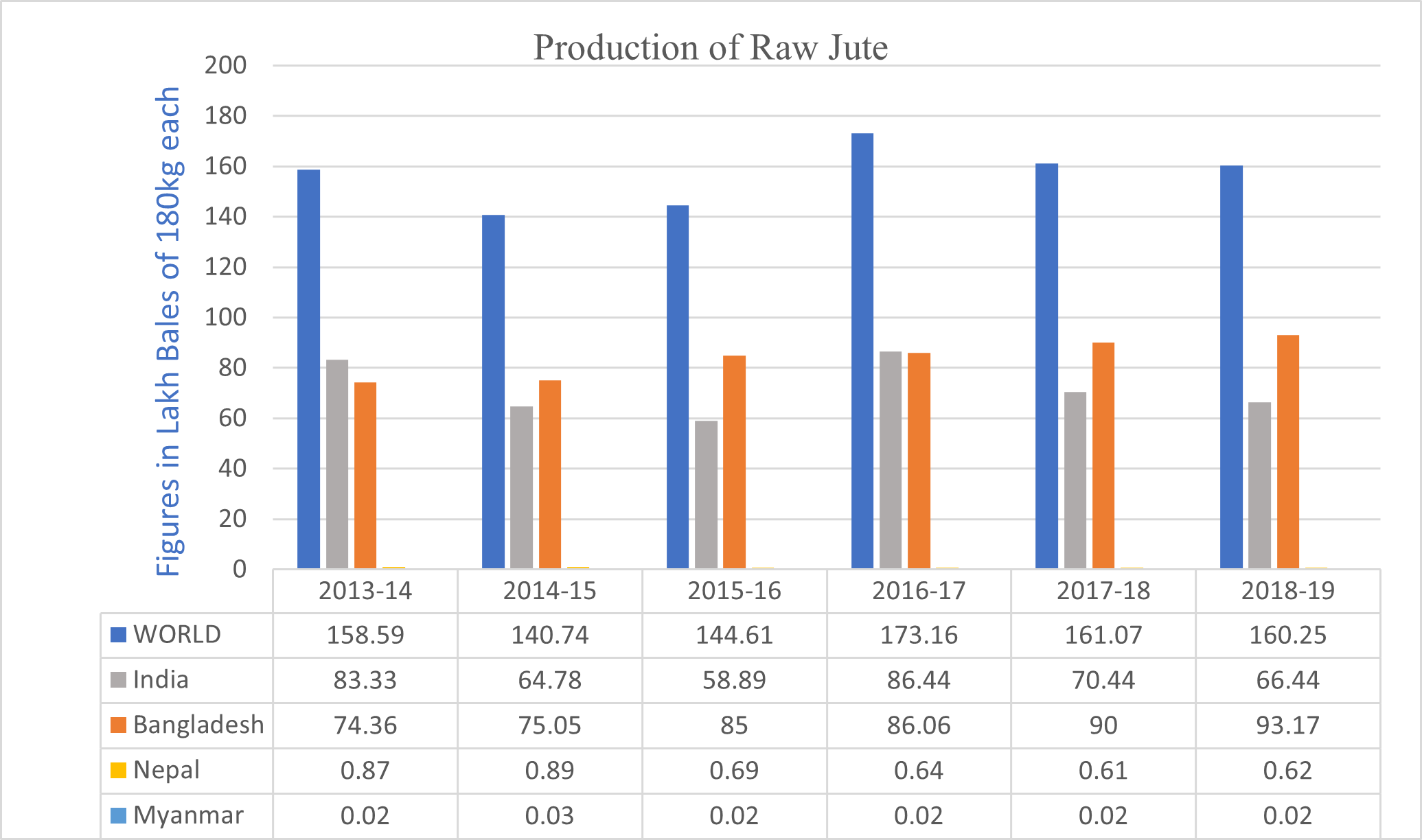
Figure 7 shows the world's unprocessed jute production. In 2019, Bangladesh accounted for 58% of global raw jute production, surpassing India as the leading producer (Indian Jute Mills Association, 2019). Bangladesh is one of the countries that are aware of the need to produce and supply biodegradable biopolymer jute bags globally.
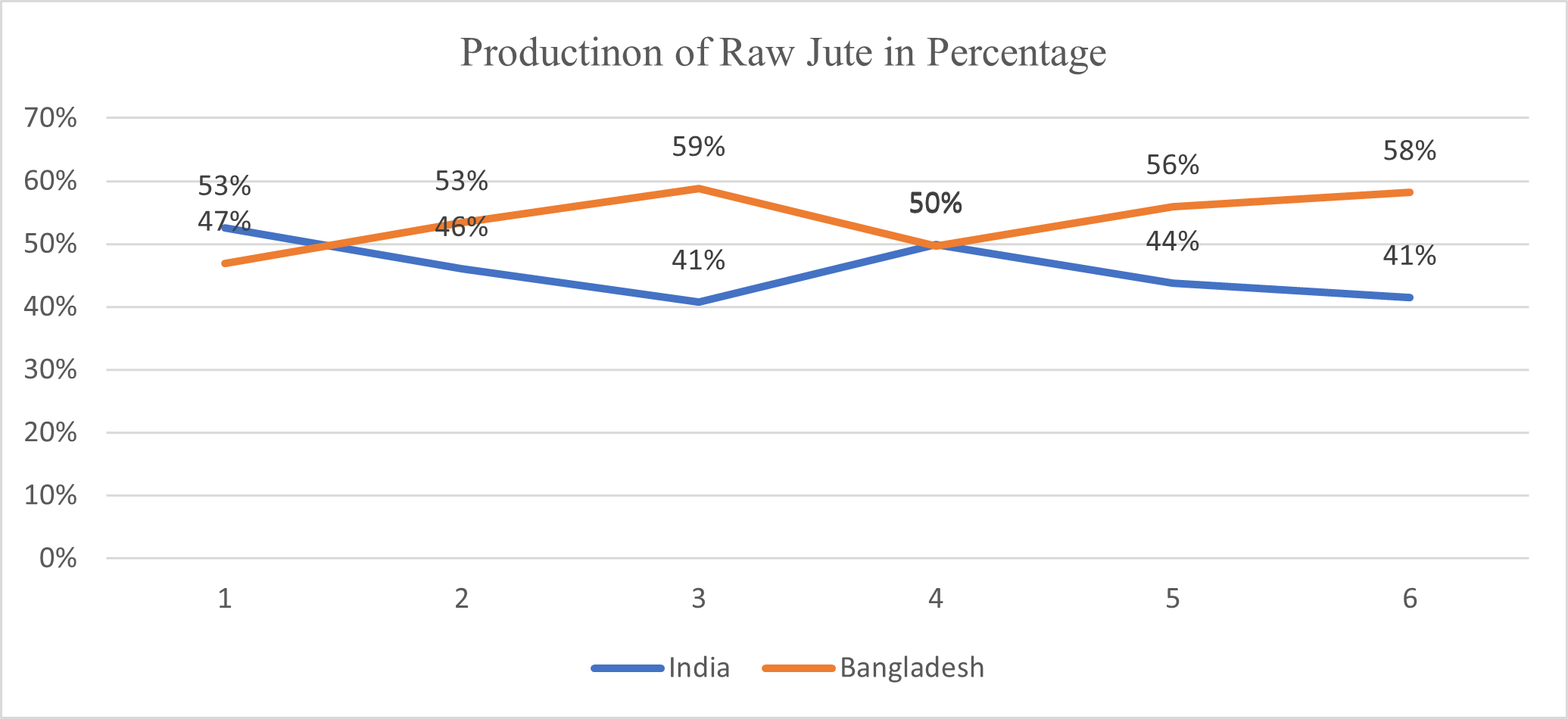
Figure 8 shows how Bangladesh's raw jute production is slowly increasing and is set to rise further in the future. This proves that Bangladesh was always one of the top producers of raw jute, that either remained in the top position or the second top position (Ahsan, 2022) in the world and has the potential to grow even further.
Potential Market and Demand for Sonali Bag in the International Market
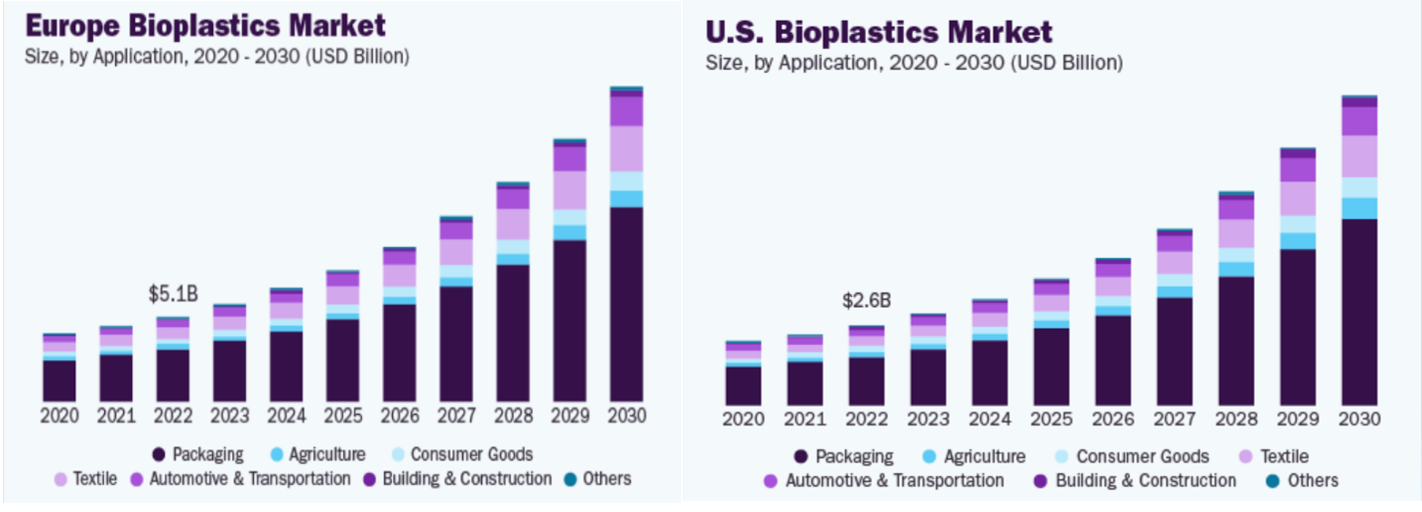
According to research, the global bioplastic market for packaging was estimated to be over$15 billion in 2022 and over $17 billion in 2023 (Towards Packaging, 2024) and is expected to grow at a CAGR of 17.2% to approximately$87 billion by the year 2033 (Fortune Business Insights, 2024). Figure 9 shows that Europe, with a bioplastics market of $5.82 billion (Grand View Research, 2022), growing at a CAGR or 18.3% (Grand View Research, 2022), and the U.S., with a bioplastic market of $3.07 billion (Grand View Research, 2022), growing at a CAGR of 19.3% (Grand View Research, 2022), are the largest consumers of bioplastic packaging as shown in Figure 9.
Strategies
The analysis suggests that direct and indirect exporting are the most viable modes for initial international market entry, given that Sonali Bag is an early-stage product rather than a fully established business. This approach would allow the company to leverage existing distribution channels and overseas partners while it scales up domestically. Programs in other countries that have goals tied to sustainability can be leveraged. Germany's program of 'Biobiene' (Biobiene, n.d.), which specializes in affordable, innovative plastic-free packaging, can leverage the EU Directive 2019/904 to export Sonali Bags to Germany to enter the European Market.
International Marketing Strategy Framework
To penetrate international markets, Sonali Bags would require a tailored marketing framework. As summarized in Table 5, strategies such as securing eco-certifications and forging B2B partnerships with global retailers (e.g., Carrefour) can enhance credibility and distribution. Digital campaigns emphasizing the bags' biodegradability and socio-economic impact (Section 1.7) can resonate with eco-conscious consumers, while participation in trade fairs like Biofach offers networking opportunities. Localized pricing and policy advocacy further ensure adaptability to diverse markets.
| Strategy | Action Steps | Target Markets | Expected Outcome |
| Eco-Certification | Obtain certifications (e.g., EU Ecolabel, USDA BioPreferred) | Europe, North America | Enhanced credibility; compliance with regional regulations (e.g., EU Directive 2019/904). |
| B2B Partnerships | Partner with retailers like Carrefour (EU) or Whole Foods (US) for co-branding | EU, North America, Canada | Increased distribution channels; premium pricing opportunities. |
| Digital Campaigns | Run social media campaigns highlighting biodegradability and farmer livelihoods | Global (via platforms like Instagram, LinkedIn) | Brand awareness among eco-conscious consumers; viral potential. |
| Trade Fair Participation | Showcase at international expos (e.g., Biofach, Interpack) | Europe, Asia-Pacific | Networking with distributors; securing bulk orders. |
| Localized Pricing | Tiered pricing based on purchasing power (e.g., lower rates in South Asia) | South Asia, Africa | Market penetration in price-sensitive regions. |
| Government Advocacy | Lobby for inclusion in national sustainability agendas (e.g., India's Plastic Ban) | India, ASEAN nations | Policy-driven demand; tax incentives for exporters. |
Future Outlook
In the near future, following successful local commercialization, Sonali Bags may be introduced to international markets through partnerships and overseas distributors. In this case, the ban on plastic bags in Bangladesh set by the government in October 2024 can be leveraged. Strategic partnerships with Dhaka supermarkets like Agora and Shwapno can be formed to supply bags.
Challenges to Globalization
Funding constraints – due to political and awareness issues – have hindered Sonali Bags R&D, marketing, and logistics. Expanding internationally poses further hurdles, as Sonali Bags would need compete with established bioplastic packaging solutions, necessitating strategic pricing to stay cost-effective and profitable. Once established in global markets, scaling production to meet increased demand would be essential for growth.
Policy Advocacy
This study provides empirical evidence to support policy shifts toward sustainable packaging. The Sonali Bag's Benefit-Cost Ratio (BCR = 2.53) and alignment with SDGs 12, 13, and 14 offer a compelling case for policymakers to institutionalize long-term subsidies for biodegradable materials. Furthermore, the analysis of Bangladesh's plastic ban (effective October 2024) demonstrates how regulatory frameworks can drive market demand for alternatives like Sonali Bags. Policymakers should prioritize cross-border collaborations, such as aligning Bangladesh's jute policies with the EU's Single-Use Plastics Directive, to facilitate export growth and global environmental impact.
Policy Recommendations
Based on the findings, the following policy initiatives are proposed to accelerate the adoption of biodegradable packaging:
- Extended Tax Incentives: Renew the 10% tax reduction for jute-based products beyond 2026 and expand it to cover R&D investments in biopolymer innovation.
- Plastic Pollution Levy: Impose a nominal tax (e.g., $0.01 per unit) on conventional plastic bags, with proceeds funding subsidies for Sonali Bag production.
- Green Public Procurement (GPP): Mandate that 30% of public-sector packaging budgets be allocated to certified biodegradable alternatives.
- Export Subsidies: Offer freight cost rebates for Sonali Bags exported to markets with strict plastic regulations, such as Canada or Germany.
Conclusion
Summary of Findings
The Sonali Bag has the potential to replace conventional plastic bags and position Bangladesh as a notable contributor to the global shift toward eco-friendly packaging. Its cost and features highlight potential in local and global markets. With the aid of appropriate strategic marketing, financial backing, efficient supply chain, and a trivial amount of government support, the Sonali Bag could, not only contribute to economic growth for Bangladesh's once-renowned jute industry, but also contribute meaningfully to ongoing global efforts to reduce plastic pollution. By addressing global sustainability challenges, the Sonali Bag directly supports SDGs 12, 13, 14, 8, and 9, offering a scalable model for eco-friendly packaging solutions. Future efforts should focus on expanding production (SDG 9).
While the Sonali Bag aligns with key aspects of the Triple Bottom Line and Diffusion of Innovations theories, its adoption complexity due to high cost challenges the linear model of diffusion. Similar to how TBL's earth and people pillars are met by reducing pollution and creating jobs in rural areas, the profit pillar still depends on subsidies. Thus, policy changes are required for genuine sustainability. By placing current ideas in the context of developing economies that depend on agro-based advances, these findings improve upon them.
While the Sonali Bag demonstrates economic viability under current subsidies, its long-term success hinges on reducing policy dependency through export growth, cost efficiency, and diversified revenue streams (e.g., lignin by-products). Policymakers and businesses should collaborate to institutionalize support mechanisms, ensuring alignment with SDG 17 (Partnerships for the Goals).
Implications for Sustainable Business Practices
This study offers actionable insights for businesses transitioning to sustainable models. First, leveraging locally abundant resources (e.g., jute in Bangladesh) reduces costs and carbon footprints, aligning with circular economy principles (Section 5.1.2). Second, diversifying revenue streams—such as monetizing lignin by-products (Section 1.6)—enhances financial resilience while adhering to SDG 12 (Responsible Consumption). Third, adopting agile supply chains (Section 5.1.1) enables rapid scaling in response to regulatory shifts, such as plastic bans. Finally, businesses should prioritize stakeholder engagement, collaborating with governments and NGOs to institutionalize support mechanisms (Section 5.4).
Future Research Directions
While this study provides a comprehensive analysis of Sonali Bag's potential, several avenues for future research can further enhance its understanding and application.
Longitudinal adoption studies: Track Sonali Bag's market penetration and pricing over time in a panel format, applying life-cycle assessment and Triple Bottom Line metrics to quantify environmental and socioeconomic impact trends. Technological Innovations: Assess the feasibility of integrating advanced technologies (e.g., nanotechnology, enzymatic processing) to improve production efficiency and reduce chemical dependency. Comparative case studies: Conduct cross-country comparisons (e.g., Bangladesh vs. India) of jute-based bioplastic initiatives, using Rogers' diffusion theory to identify contextual adoption factors. Consumer behavior analysis: Investigate consumer and retailer adoption using innovation diffusion or technology acceptance models, to understand demand-side drivers (e.g., a survey experiment in urban markets).
Policy scenario analysis: Using institutional theory, model how changes in plastic regulations (e.g., impending bans or taxes) could affect Sonali Bag uptake, possibly via a difference-in-differences design once more data are available.
Appendix: Detailed Financial Analysis
Cost Analysis
For the facility for single-use Sonali Bags production facility, all production expenses and the gross profit from sales are considered. These costs, as shown in Table 1 below, are based on the data from the "Sonali Bag Pilot Project" by the Bangladesh Jute Mills Corporation and other relevant sources. The total production cost of Sonali Bags amounts to Tk 206,217,147 with fixed costs of Tk. 4,782,600 and variable costs of Tk. 201,434,547. At full plant capacity, approximately 365,000 kg of Sonali Bags can be produced annually. This translates to a production cost of Tk 564.978484 per kilogram and Tk. 5.64978484 per individual bag, as detailed in Table A1. The overall costs of production will reduce through the benefits of economies of scale. Variable costs like chemical cost, which is the most expensive cost right now, will also be reduced through bulk orders. The costs taken here are from the pilot project of Sonali Bag and does not represent what commercial prices will be.
| SL no | Cost item | Cost (Tk. / year) | Percentage |
| Fixed Costs | |||
| 1 | Depreciation expense | 950000 | 19.86 |
| 2 | Land use cost | 132600 | 2.77 |
| 3 | SALARY | 3700000 | 77.36 |
| Total FC | 4782600 | 100 | |
| Variable Costs | |||
| 1 | Maintenance cost | 105,000 | 0.052 |
| 2 | Transportation cost | 150,500 | 0.074 |
| 3 | Interest on operating capital | 5896546.65 | 2.92 |
| 4 | Electricity bill* | 19,575,000 | 9.71 |
| 5 | Daily labor cost | 50500 | 0.025 |
| 6 | Water cost | 7500 | 0.0037 |
| 7 | Fuel and lubricant cost | 151500 | 0.075 |
| 8 | Raw jute cost | 19998000 | 9.92 |
| 9 | Chemical cost | 155,500,000 | 77.19 |
| Total VC | 201,434,547 | 100 | |
| Total Costs | |||
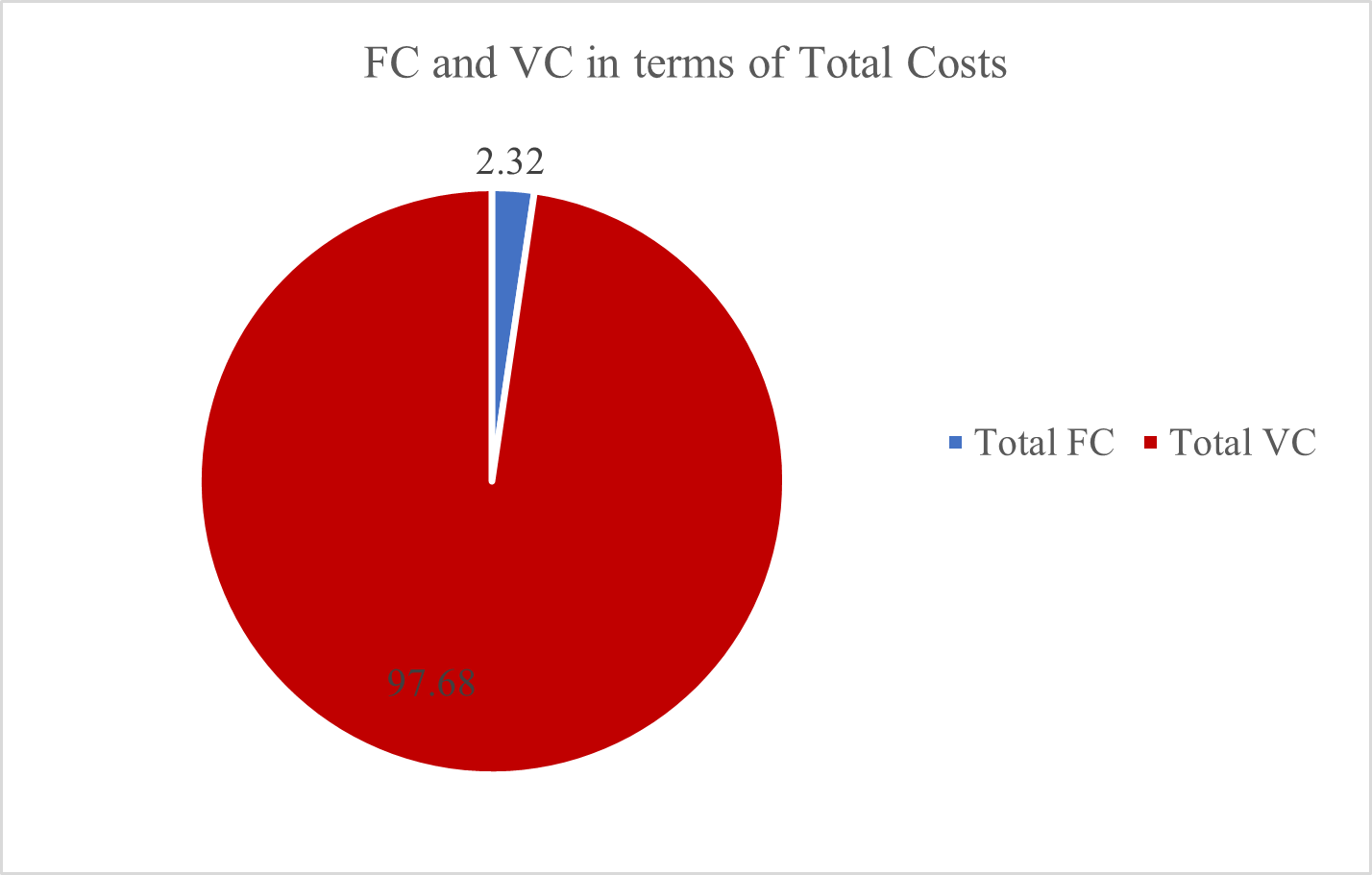
| Total fixed cost | 4782600 | 2.32 | |
| Total variable cost | 201,434,547 | 97.68 | |
| Total cost | 206,217,147 | 100 |
Cost of Production per kg: 564.97
Cost of production per piece: 5.64
Figure A1 illustrates the breakdown of fixed production costs for Sonali Bag manufacturing, with salaries representing the largest component.
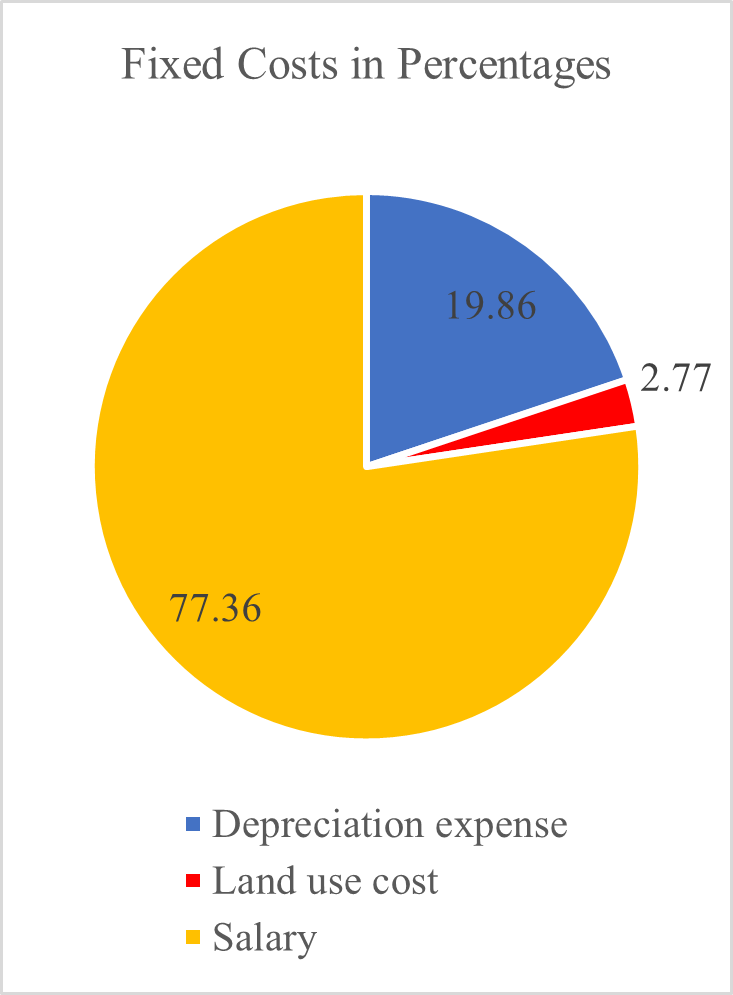
Figure A2 illustrates the breakdown of variable production costs for Sonali Bag manufacturing, highlighting the major cost drivers.
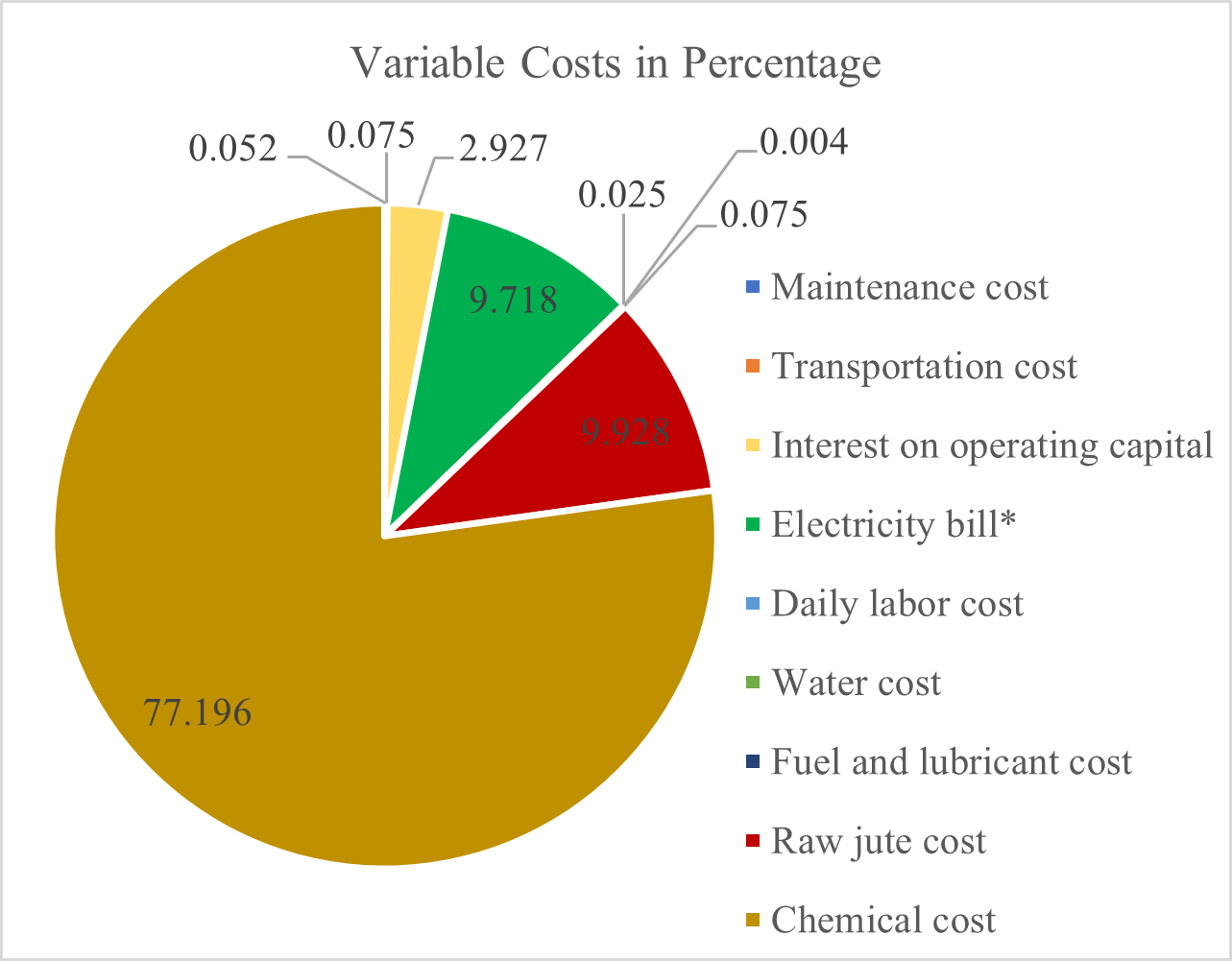
Figure A3 presents the relative proportions of fixed and variable costs in total Sonali Bag production costs.
Return Analysis
Based on the machine capacity, Sonali Bag production size per day amounts to 1000 kg, resulting in an annual production of 365,000 kg. Taking into account Bangladesh Jute Mills Corporation's current selling price, the annual revenue generated is Tk. 438,000,000, representing 84.06304729% of the total return from the Sonali Bag production plant, as indicated in Table A2.
| SL | Items | Annual Production in Kg |
Price | Amount of Return (BDT) | Return as percentage (%) | ||
| 1200 | 600 | 1200 | 600 | ||||
| 1 | Sonali Bag | 365,000 | 1,200 | 438,000,000 | 219,000,000 | 84.06 | 72.51 |
| 2 | By-product (Lignin) | 36,500 | 2,275 | 83,037,500 | 15.94 | 27.49 | |
Source: Author's estimation based on collected data.
Figure A4 illustrates the components of annual gross return for a selling price of 1200 Tk, showing how revenue is generated from bags and lignin by-products.
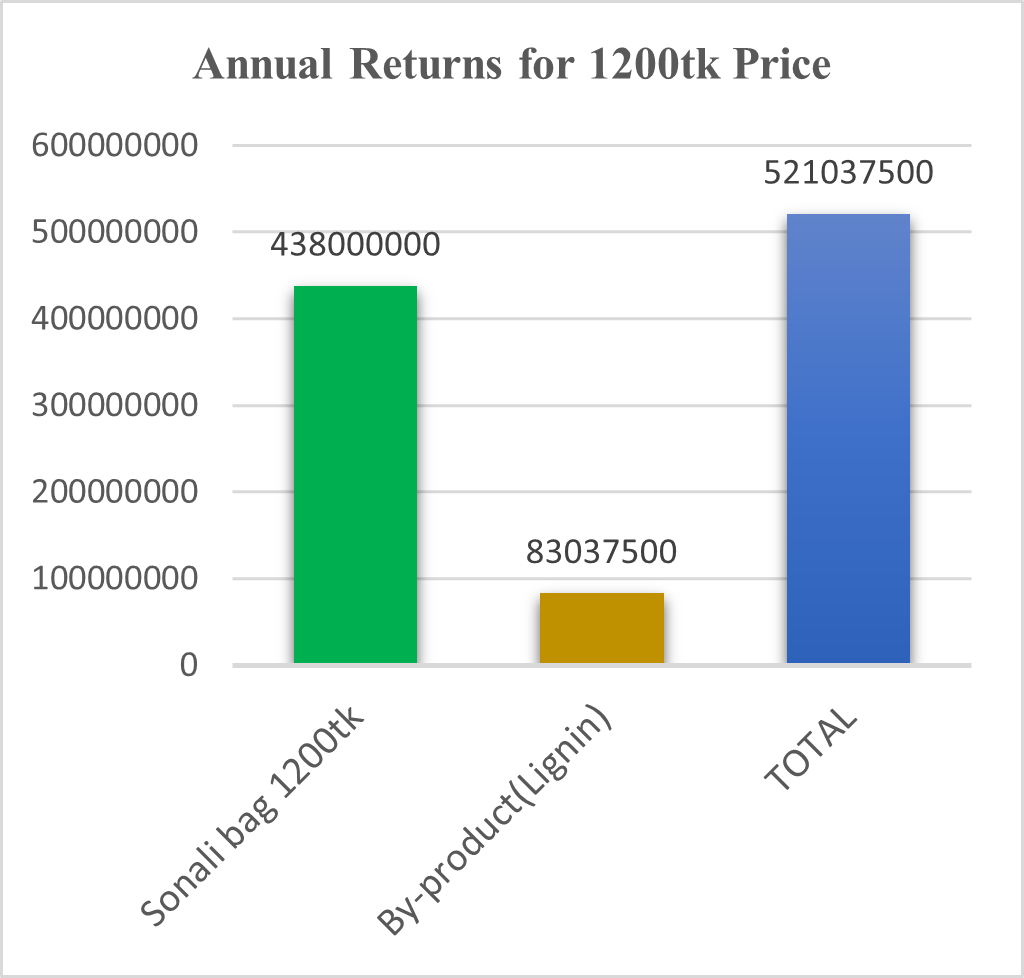
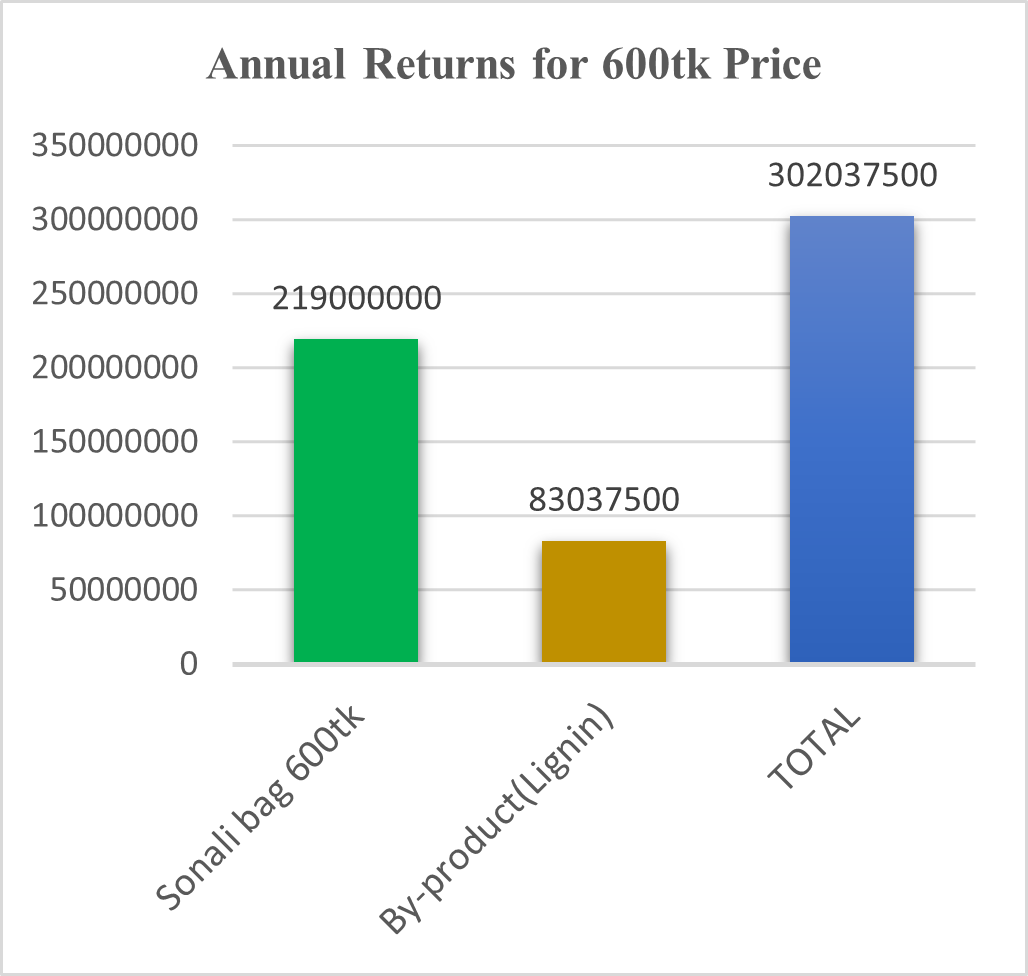
Figure A5 illustrates the components of annual gross return for a selling price of 600 Tk, highlighting the revenue distribution at this lower price point.
Profitability Analysis
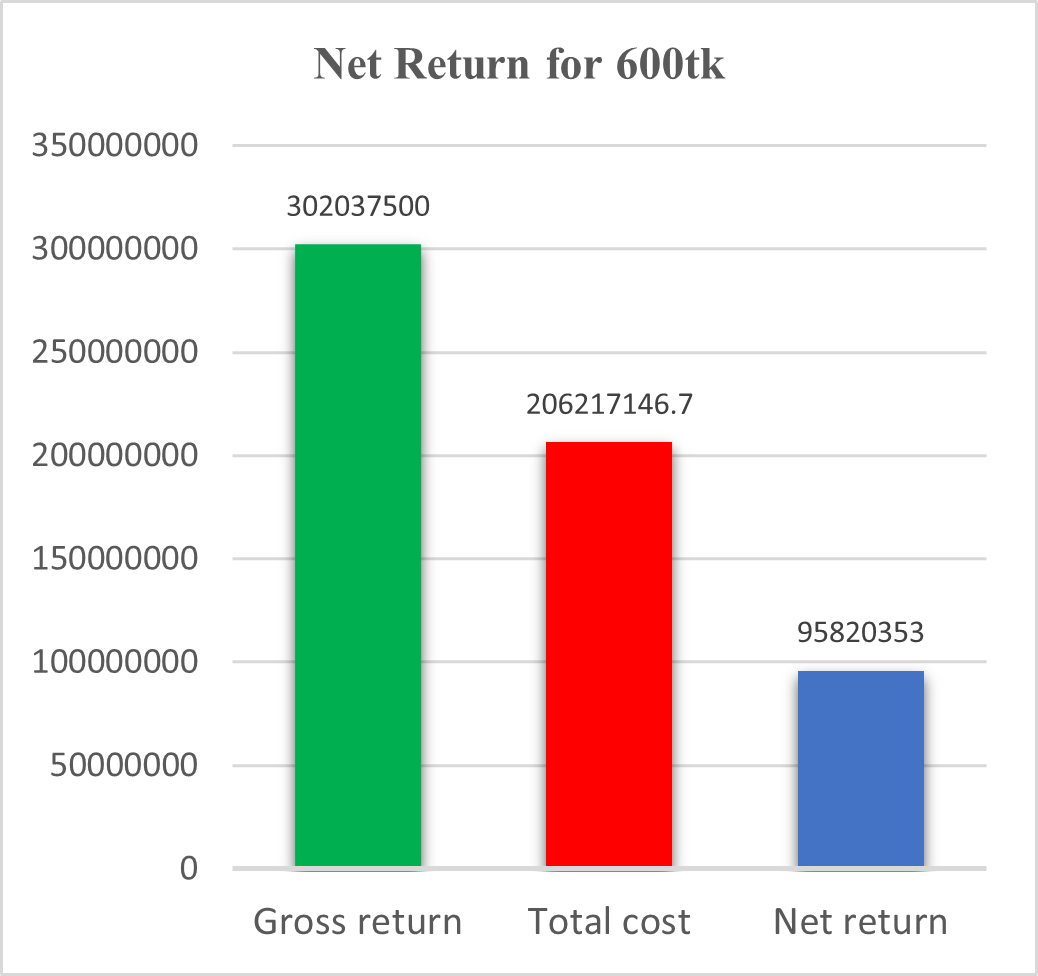
During the production of Sonali Bag, approximately 10% of lignin is extracted from raw jute and it holds significant market value globally (BJMC, n.d.). With the current price standing at$19 per kg (Alibaba, 2024), this translates to an annual turnover of Tk 83,037,500 (considering an exchange rate of $1 = 119.70 BDT) for the Sonali Bag production plant, as illustrated in Figure A7. According to Table A3, the net return or profit from the Sonali Bag production plant totals Tk 314,820,353. Based on the present selling price set by Bangladesh Jute Mills Corporation, the net returns from producing 1 kg and 1 piece of Sonali Bag amount to Tk 862.521516 and Tk 8.62521516, respectively. With an overall average benefit-cost ratio of 2.526644891, it is clear that operating the Sonali Bag production plant is unquestionably profitable. The price of Sonali Bag in a price point of 600 tk was also calculated. As the 1200tk price point was for the pilot project, it was decided to consider a price point of half of that. Even at the price of 600 Tk the Sonali Bag remains profitable. At 600tk the net returns from producing 1 kg and 1 piece of Sonali Bag amount to Tk 262.521516 and Tk 2.62521516, respectively. With an overall average benefit-cost ratio of 1.464657546.
Although the Sonali Bag's profit pillar (TBL) is validated by its BCR of 2.53 (Table A3), sensitivity studies show vulnerabilities to subsidies and raw material costs. This emphasizes how crucial it is to secure local chemical production and diversify revenue sources (such as lignin exports) to ensure TBL's economic viability.
| SL | Items | Amount (Tk.) 1200 | Amount (Tk.) 600 |
| 1 | Gross return | 521037500 | 302037500 |
| 2 | Total cost | 206,217,147 | 206,217,147 |
| 3 | Net return | 314,820,353 | 95,820,353 |
| 4 | Net return of Sonali Bag per kg | 862.521516 | 262.521516 |
| 5 | Net return of Sonali Bag per piece | 8.63 | 2.63 |
| 6 | BCR (undiscounted) | 2.53 | 1.46 |
Figure A6 shows the net return breakdown for the 1200 Tk selling price scenario, highlighting the project’s profitability at this price point.
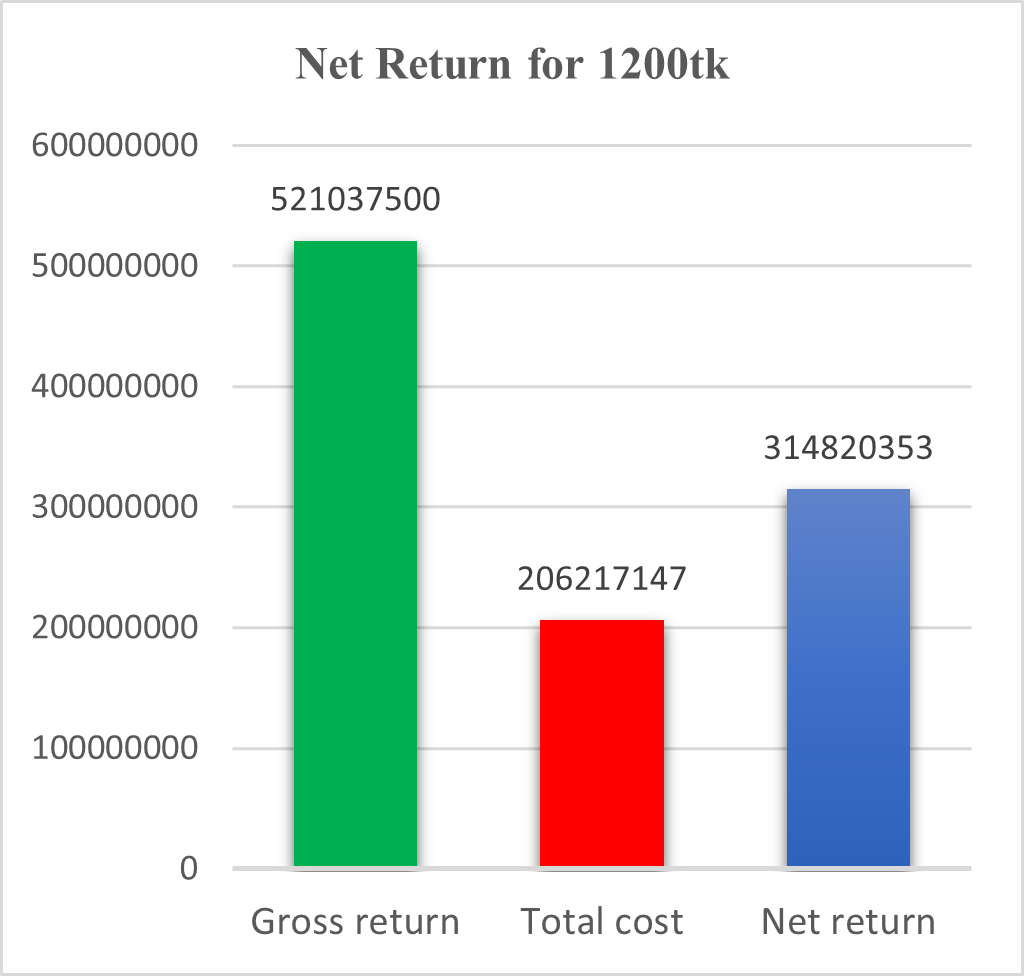
Figure A7 shows the net return breakdown for the 600 Tk selling price scenario, illustrating the profitability under the lower price assumption.
Strategies for Cost Reduction and Profitability Increase
Various strategies can be implemented in the short and long term to reduce the cost of Sonali Bag production, which will ultimately increase its profitability. For example, the previously suggested advertising on bags strategy can be used to generate an additional revenue stream. Which can ultimately weigh into the production cost of the Bags at first, but due to the revenue it will generate, this can also turn a good profit. The other benefits of brand image betterment and collaboration exposure also make this a lucrative strategy.
The inclusion of lignin selling which is a by-product of Sonali Bag, can increase profitability return as well. Lignin as previously mentioned would not exist without the production process of Sonali Bag. The revenue generated from this can help reduce the overall cost of production if it is included in calculations.
Another aspect is government assistance. The Sonali Bag production plant will benefit from a 20% reduction in electricity costs due to the government's 20% export incentive for jute goods and the replacement of electricity with a steam boiler. This will lead to decreased production costs and increased profitability for the plant in the future.
Scaling up production and receiving chemical import subsidies could reduce costs, especially as chemicals account for 77.19% of variable expenses. The implementation of economies of scale would also diminish the total unit cost of bags as commercialization progresses. The Sonali Bag's revenue from lignin by-products (Tk. 83 million annually) and government subsidies promote economic sustainability (SDG 9). Scaling production through international partnerships aligns with SDG 17 (Partnerships for the Goals).
Sensitivity Analysis
Table A4 presents the sensitivity analysis scenarios for the Sonali Bag production, showing how changes in costs and selling price affect net returns and the benefit-cost ratio.
| Scenario | Reasoning | Impact on Net Return | Impact on BCR |
| Raw Material Costs +10% | Jute price fluctuations, chemical cost increases, supply chain disruptions | Decreases to Tk. 304,822,353 | Drops to 2.41 |
| Selling Prices - 10% | Market competition, economic downturns, bulk discounts | Decreases to Tk. 187,982,853 | Drops to 1.82 |
| Production Volume +10% | Growing demand, government support, export opportunities | Increases to Tk. 346,302,353 | Rises to 2.33 |
| By-Product Revenue -10% | Market price fluctuations, quality issues, competition | Decreases to Tk. 306,516,603 | Drops to 2.48 |
Scenario 1: A 10% rise in the cost of raw materials, whether due to supply chain interruptions, jute price volatility, or chemical cost increases, decreases the Benefit-Cost Ratio (BCR) to 2.41 (from 2.53) and the Net Return to Tk. 304.8 million (from Tk. 314.8 million). This demonstrates how susceptible the operation is to changes in input costs, especially given its reliance on imported chemicals and the volatility of the jute market. Strategies, including negotiating long-term supplier agreements, funding regional chemical manufacturing, or broadening the sources of raw materials, are necessary to reduce this risk.
Scenario 2: A 10% drop in selling prices, whether as a result of market competition, economic downturns, or bulk discounts, results in the most significant decline of all scenarios, with Net Return falling to Tk 188 million and BCR falling to 1.82. This highlights how vulnerable the project is to price erosion and highlights the necessity of premium pricing methods that are in line with sustainability certifications or value-added differentiation (such as branded eco-friendly packaging) to preserve profitability in cutthroat marketplaces.
Scenario 3: A 10% rise in production volume, driven by expanding export markets, government subsidies, or rising demand, raises BCR to 2.33 and Net Return to Tk. 346.3 million. This validates the possibility for scalability and highlights the substantial benefits of economies of scale. These advantages could be increased even more by utilizing Bangladesh's dominance in jute production and forming strategic alliances with foreign retailers.
Scenario 4: A 10% decline in by-product revenue stemming from lignin price fluctuations, quality issues, or competition lowers Net Return to Tk. 306.5 million and BCR to 2.48. This reveals the critical role of lignin sales in offsetting production costs. Diversifying by-product applications (e.g., pharmaceuticals, biofuels) or securing fixed-price contracts could stabilize revenue streams and enhance financial resilience.
Acknowledgments
The authors are very grateful to Bangladesh Jute Mills Corporation for providing the information and organizing the production sector visit.
Funding Statement
The author(s) received no financial support for the research, authorship, and/or publication of this article.
Conflict of Interest
The authors declare that they have no conflicts of interest.
References
About contributors

Mubarak A. Khan
Sonali Bag Research Laboratory, Bangladesh Jute Mills Corporation, Ministry of Textiles and Jute, Dhaka, Bangladesh | Research Laboratory, Applied Bioplastics Ltd., Austin, Texas, United States
Bangladesh
Nabeel Rahman
Department of Finance, School of Business and Entrepreneurship, Independent University, Dhaka, Bangladesh
Bangladesh
Rajib Samadder
Sonali Bag Research Laboratory, Bangladesh Jute Mills Corporation, Ministry of Textiles and Jute, Dhaka, Bangladesh | Research Laboratory, Applied Bioplastics Ltd., Austin, Texas, United States
Bangladesh
Nahian Islam Asif
Department of Finance, School of Business and Entrepreneurship, Independent University, Dhaka, Bangladesh
Bangladesh
Sapnil Sarker Pollob
Department of Finance, School of Business and Entrepreneurship, Independent University, Dhaka, Bangladesh
Bangladesh
Zahana Islam
Department of Accounting, School of Business and Entrepreneurship, Independent University, Dhaka, Bangladesh
Bangladesh
Arshi M.M. Khan
School of Business, North South University, Dhaka, Bangladesh
Bangladesh