



Abstract
Sans nécessairement opter pour la quête d'une théorie universelle, la pratique universitaire impose de concilier les approches internes des phénomènes rythmiques et une compréhension externe, indispensable à la validation. On propose ici de repartir des enregistrements audio, de les faire entendre, de les décrire et de les découper. Leur présentation synchrone avec des éléments de visualisation va ainsi permettre de faire entendre à l'autre ce que l'expert perçoit, et ce qu'il sait.
The process described here did not derive from any ambition to resolve a supposed universal problem of rhythm. It was just developed in the contact between experts of various fields, trying to have each other understand what rhythm, pace, \textit{tactus}, \textit{tala}, \textit{clave}, \textit{jiezou}, was about. We propose to start from selected recordings, to describe it, edit it through cutting, inserting silences, making comparison and measurements. The document is then synchronised with visual analysis, including spectrograms, and possibly music notation. This process is opening the field to meta-analysis, by giving access to the material itself, to the tools used, and to the results.
Notice
Revue des Traditions Musicales was originally published in print by Antonine University Press. It is now being republished by Luminous Insights Publishing House as part of the journal’s transfer.
This article is currently available in PDF format only. An HTML version will be available soon.
About contributors

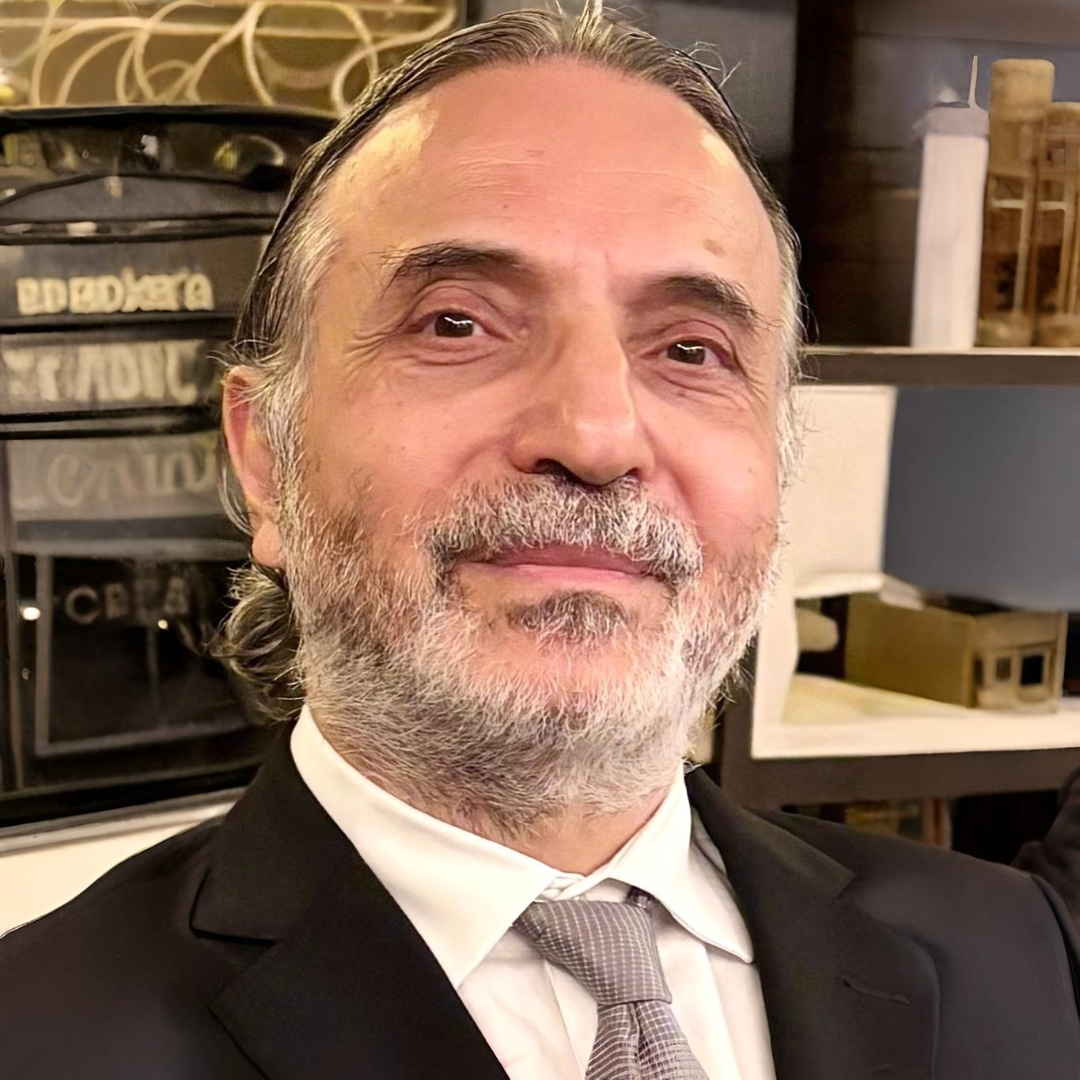
François Picard
Institut de Recherche en Musicologie, University Paris-Sorbonne, Paris, France