



Abstract
تهدف هذه المقالة إلى تصنيف توجّهات الموسيقى الفنّيّة في لبنان خلال الثلث الأوّل من القرن العشرين، أي في مرحلة إنشاء كيان "لبنان الكبير" (1920-1926)، في ظلّ الانتداب الفرنسيّ، وعلى ضوء التحوّلات الثقافيّة الكبرى التي اعترت المشرق العربيّ، في لحظة انتقال النهضة العربيّة من النموذج الداخليّ التجدّديّ المتأصّل إلى النموذج الخارجيّ التحديثيّ التغريبيّ. وتعتمد المقالة على ثلاث مقاربات منهجيّة متوازية ومتكاملة لمحاكاة عمليّة التجدّد الموسيقيّ في سياق تعدّد المرجعيّات، وهي أوّلاً مقاربة تاريخيّة ثقافيّة وثانيًا مقاربة سيميائيّة نحويّة موسيقيّة وثالثًا مقاربة أنثروبولوجيّة جماليّة موسيقيّة. وتعتبر المقالة عمليّة الدمج بين لهجات (تقاليد) موسيقيّة منتمية إلى نظام نحويّ موسيقيّ واحد على أنّها تهجين متجانس، في حين تُشبِّه الدمج بين لهجات (تقاليد) موسيقيّة منتمية إلى أنظمة نحويّة موسيقيّة مختلفة بتهجين غير متجانس. وتتوصّل المقالة إلى نتيجة أساسيّة مفادها أنّ إنشاء لبنان الكبير (على أساس الدمج بين ريف لبنان المتصرّفيّة ومدن الساحل) قد تزامن مع صعود تيّار الغربنة الثقافيّة، بحيث لم يتمكّن الكيان الجديد من تثبيت موسيقى فنّيّة مقاميّة (نظام لحنيّ معتمد على المقامات) أحاديّة ذات مرجعيّة خاصّة به، على أساس الدمج بين لهجات أو تقاليد موسيقيّة مقاميّة محلّيّة وإقليميّة، للسير بنهضة موسيقيّة مقاميّة (كما حصل في مصر، في إطار مدرسة عبدهالحمولي)، وبالتالي، تمكّن الانتداب الفرنسيّ من ترسيخ نظام الموسيقى الطوناليّة الهارمونيّة، لدى النخب اللبنانيّة، كمرجع لحداثة موسيقيّة مستوردة من الغرب على أساس منهجيّة التهجين غير المتجانس. وتنطلق المقالة من هذا التشخيص لتخلص إلى أنّ الطغيان الأوّليّ لنموذج الغربنة جعلَ ذلك الوطنَ يُفَوّتُ على نفسه فُرصةَ إبراز تقليدٍ موسيقيٍّ فَنّيّ حقًّا وطنيٍّ ومشرقيّ مقاميّ، إلى جانبِ الألوانِ الموسيقيّةِ الأُخرى.
This article aims to classify the trends in maqām art music in Lebanon under the French Mandate during the first third of the twentieth century. It situates this musical evolution within the broader cultural transformations sweeping the Arab East, as the Arab Renaissance shifted from an internally rooted, renewal-based model to an externally driven, modernising, and Westernising paradigm. The article adopts three methodological approaches to analyse the process of musical renewal within a framework of multiple cultural references: (1) a historical approach, (2) a semiotic-musical-grammatical approach, and (3) a musical-anthropological-aesthetic approach. The study defines the merging of musical traditions belonging to the same musical system as a process of homogeneous creolisation, while likening the fusion of musical traditions from different systems to heterogeneous creolisation. The article reaches a key conclusion: the creation of Greater Lebanon (based on the merger of the Mount Lebanon Mutessarifat and coastal cities) coincided with the rise of Westernisation. As a result, the new entity failed to establish a unifying modal art music with its own reference system—one that would integrate local and regional modal traditions and initiate a musical renaissance based on the maqām—unlike Egypt, where the maqām of ‘Abduh al--Ḥamūlī succeeded in doing so. Consequently, the French Mandate entrenched the tonal-harmonic music system among Lebanese elites as the reference for an imported musical modernity, rooted in the paradigm of heterogeneous hybridisation. The article builds on this diagnosis to conclude that this dominance of Westernisation led Lebanon to miss the opportunity to highlight a truly artistic maqām tradition, alongside other musical genres.
About contributors

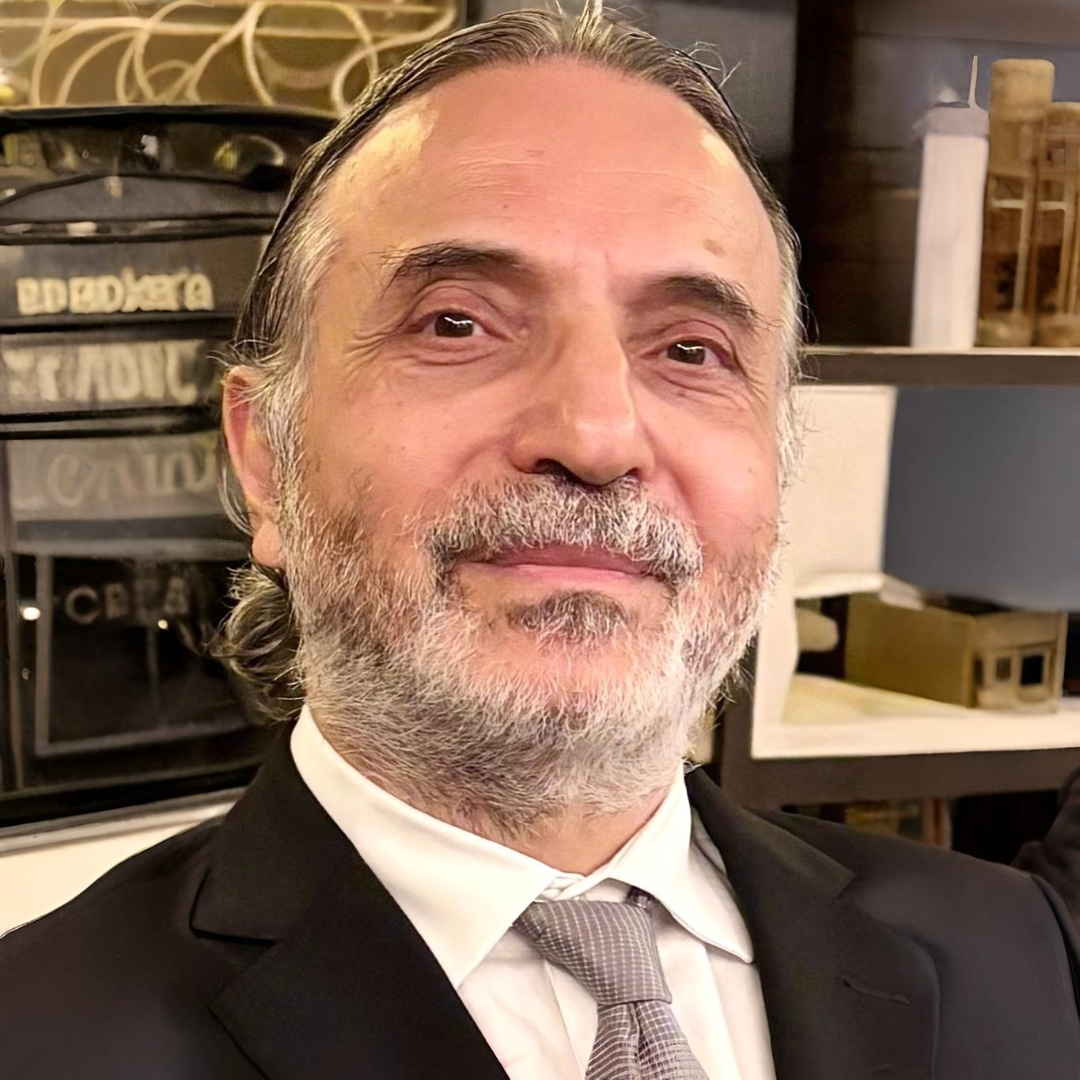
Nidaa Abou Mrad
Institut de Recherche en Musicologie (IReMus, UMR 8223), Sorbonne Université, Paris, France & Centre de recherche sur les traditions musicales, Université Antonine, Baabda, Liban
France
نداء أبو مراد، بروفيسور، دكتور في علم الموسيقى، دكتور في الطّبّ، بروفيسور في علم الموسيقى وعلم النفس العصبيّ الموسيقي والمعالجة بالموسيقي في جامعة السوربون، معهد البحث في علم الموسيقى (IReMus, UMR 8223) ومنسّق الشبكة العلميّة الدوليّة «الموسيقى وعلم الأعصاب والمعالجة» في كولّيجيوم الموسيقى، جامعة السوربون، كما هو، في الوقت عينه، عميد كلّيّة الموسيقى وعلم الموسيقى ومدير مركز البحث في التقاليد الموسيقيّة في الجامعة الأنطونيّة (لبنان). وقد حاز على جائزة التميّز العلميّ لعام 2017 من المجلس الوطنيّ للبحوث العلميّة في لبنان.
Hayaf Yassine
Centre de recherche sur les traditions musicales (CRTM), Université Antonine, Baabda, Liban
Lebanon
هيّاف ياسين، دكتور في علم الموسيقى، أستاذ مشارك، رئيس قسمَي علم الموسيقى والموسيقى الفنّيّة العربيّة في كلّيّة الموسيقى وعلم الموسيقى في الجامعة الأنطونيّة (لبنان)، عضو في مركز البحث في التقاليد الموسيقيّة (CRTM). باحث، مؤلّف موسيقيّ وعازف على آلة السنطور، مختصّ بموسيقى النهضة العربيّة كما التراث الموسيقيّ الشعبيّ اللّبنانيّ\الشاميّ، وله عشرات الإصدارات والحفلات في لبنان والعالم، فائز بالمسابقة الدوليّة لصناعة الموشّح "أخفي الهوى" التي نظمّها المجمع العربيّ للموسيقى عام 2019. وهو مدير عامّ مدرسة بيت الموسيقى في النجدة الشعبيّة، لبنان