



Abstract
Cet article a pour principal objectif la proposition de quelques hypothèses dans le but de fonder une sémiotique du timbre dans la musique algérienne héritée d'Al-Andalus et en particulier dans les trois styles qui sont~: le Mâlûf, le Çan`a et le Ġarnâṭî. Par timbre est désignée non seulement la «~couleur~» des sons produits par un instrument, mais aussi tout un ensemble de paramètres et d'attributs subjectifs, socio-culturellement modelés, qui incluent la couleur globale et résultante d'un ensemble instrumental, la tenue et la technique de jeu de certains instruments considérées comme «~marqueurs stylistiques~», l'hétérophonie ainsi que l'ambiance ou l'atmosphère dans laquelle est interprété ce genre musical.
This article has as main objective the proposal of some hypotheses in order to found a semiotics of the timbre in the Algerian music inherited from Al-Andalus, particularly in the three styles which are: the Mâlûf, the Çan`a and the Ġarnâṭî. By timbre is meant not only the "colour" of the sounds produced by an instrument, but also a set of parameters and subjective attributes, socio-culturally modeled, which include the total and resulting color from an instrumental ensemble, the behavior and the technique of playing some instruments regarded as "stylistic markers", heterophony as well as the environment or the atmosphere in which this musical genre is interpreted.
Notice
Revue des Traditions Musicales was originally published in print by Antonine University Press. It is now being republished by Luminous Insights Publishing House as part of the journal’s transfer.
This article is currently available in PDF format only. An HTML version will be available soon.


About contributors

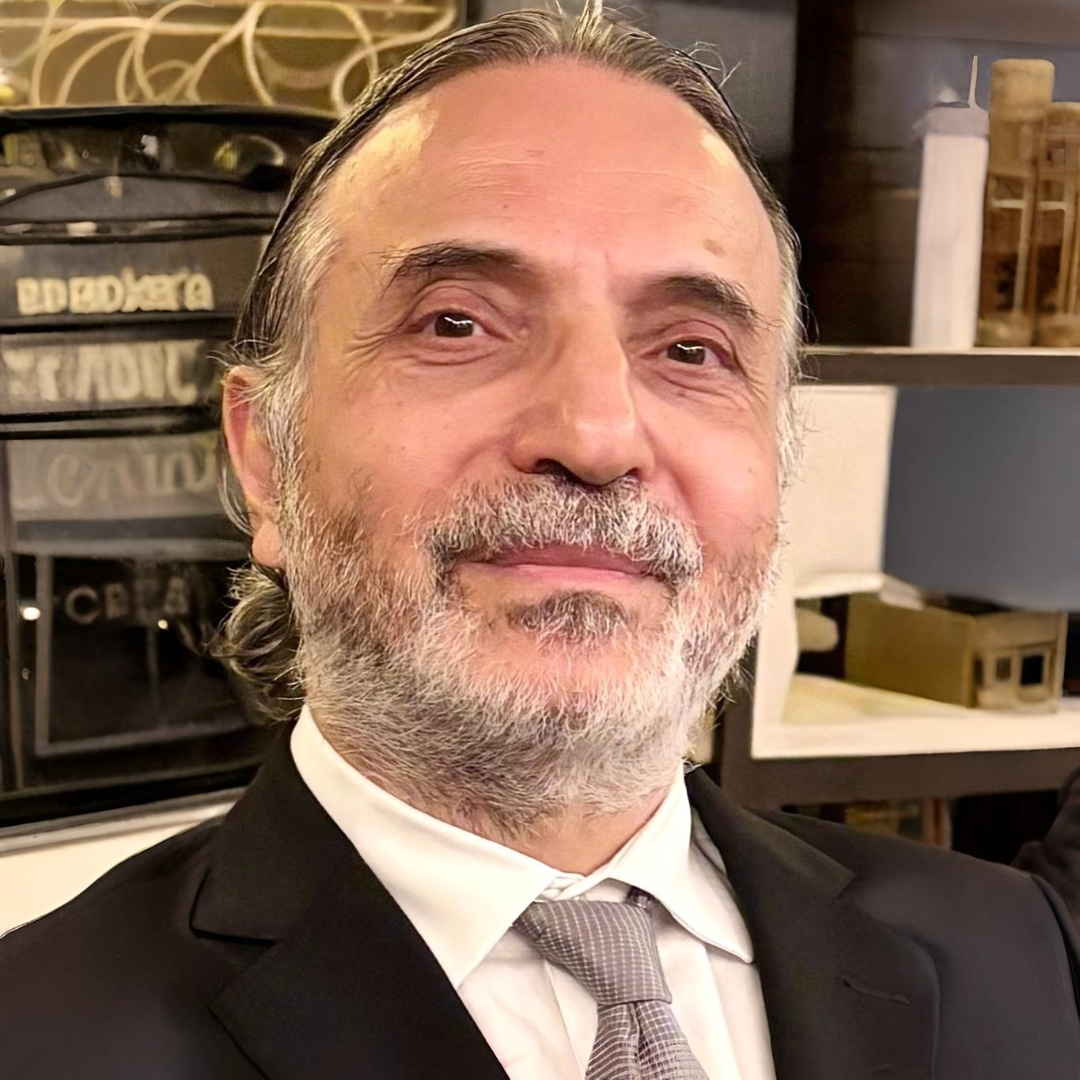
Fethi Salah
Département de Musique–Musicologie, École Normale Supérieure de Kouba,Alger,Algérie
Algeria
Professeur de musicologie à l’École Normale Supérieure-Kouba d’Alger.
Nadjib Chichoune
Chef du Département de Musique–Musicologie, École Normale Supérieure de Kouba,Alger,Algérie
Algeria
Maître de Conférences en musicologie - Chef du Département de Musique-Musicologie à l’École Normale Supérieure-Kouba d’Alger.